Restoration - Conservation
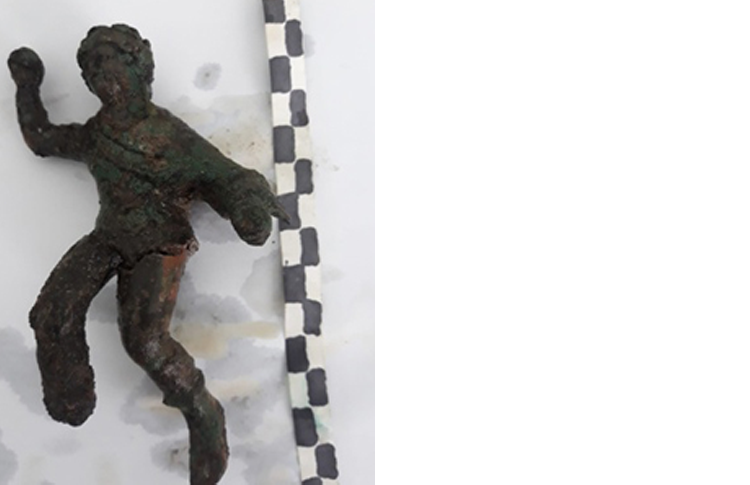
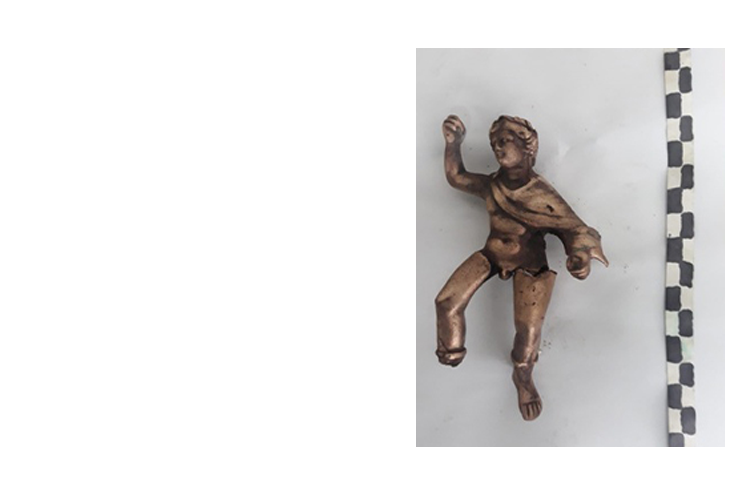
The restoration-conservation activity is carried out in a specially arranged place, namely the restoration-conservation laboratory and appropriately equipped. The entire activity must be carried out on a rigorous technical-scientific basis, which ensures the necessary conditions for carrying out interventions on heritage objects, according to current Romanian legislation and international norms. In other words, curative conservation and scientific restoration in a museum setting are inextricably linked to the existence of a restoration laboratory equipped with modern equipment and materials, which allows the specific activities to be carried out at high standards.
The Zonal Restoration-Conservation Laboratory was established in 1974, by Law 63/1974, being part of the elite network of laboratories tasked with the restoration and conservation of heritage objects.
The equipment that the laboratory had since the early years was diverse, starting with the Rongen apparatus and continuing with the specific laboratory equipment necessary for this activity, including: suspended technical motors, sand baths, stirrers, rectifiers and antacid tanks for electrolysis, distillers, microscopes, balances, etc.
The necessary substances and materials are purchased rhythmically so that there are no gaps in operation and to avoid triggering destructive effects on objects whose environment has changed over the last hundreds or thousands of years.
The laboratory staff consists of specialists who have completed restoration-conservation courses and obtained expert certification on various media - ceramics, glass, metal.
Currently, the laboratory staff consists of 10 workers, four of whom are expert restorers.
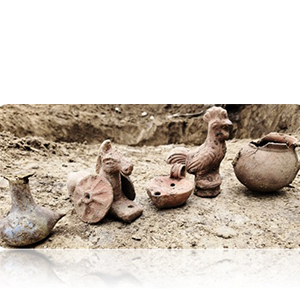
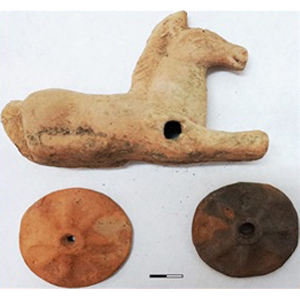
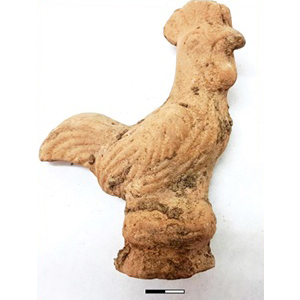
Specialists are trying to cover in a timely manner the restoration of heritage pieces resulting from systematic research carried out at sites of national interest, as well as those from preventive archaeological excavations generated by large investment and infrastructure projects (A2 Bucharest-Constanța Highway, A4 City Ring Road, construction of collective housing, etc.). However, keeping up with the pace of heritage growth is becoming increasingly difficult given the limited number of specialists.