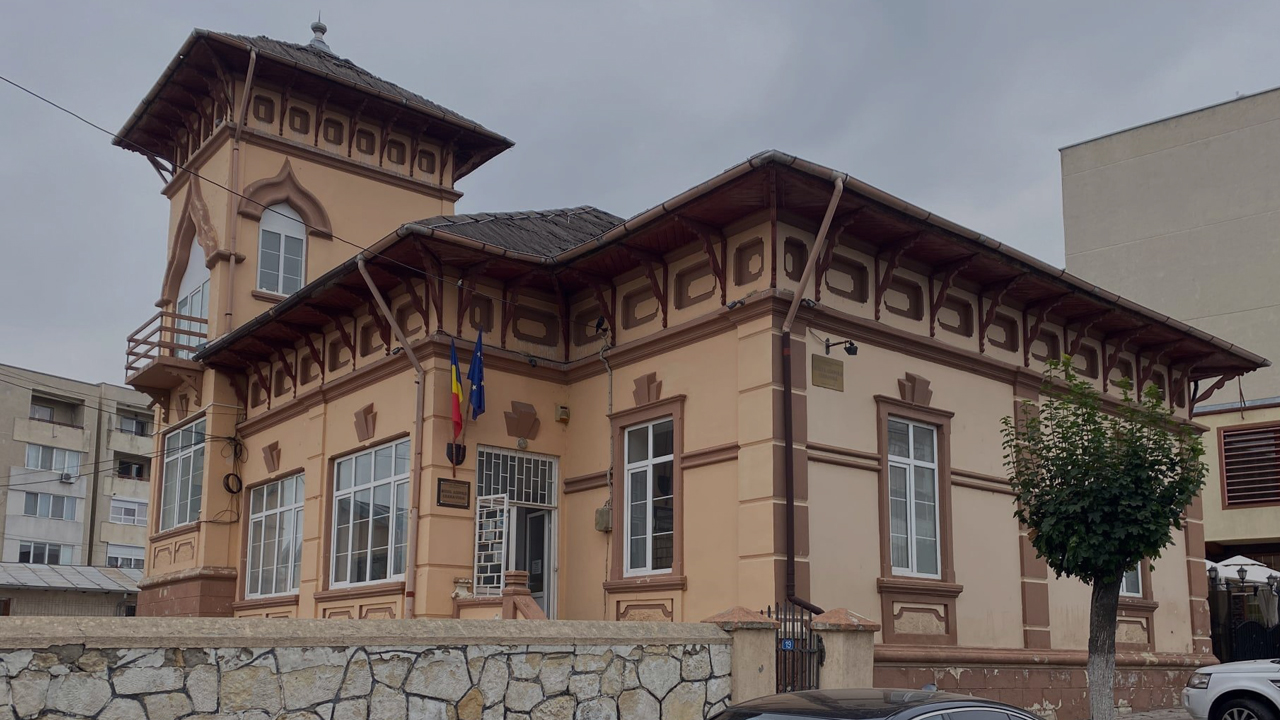


AXIOPOLIS Museum, Cernavoda Hamangia Center and The Thinker Workshop
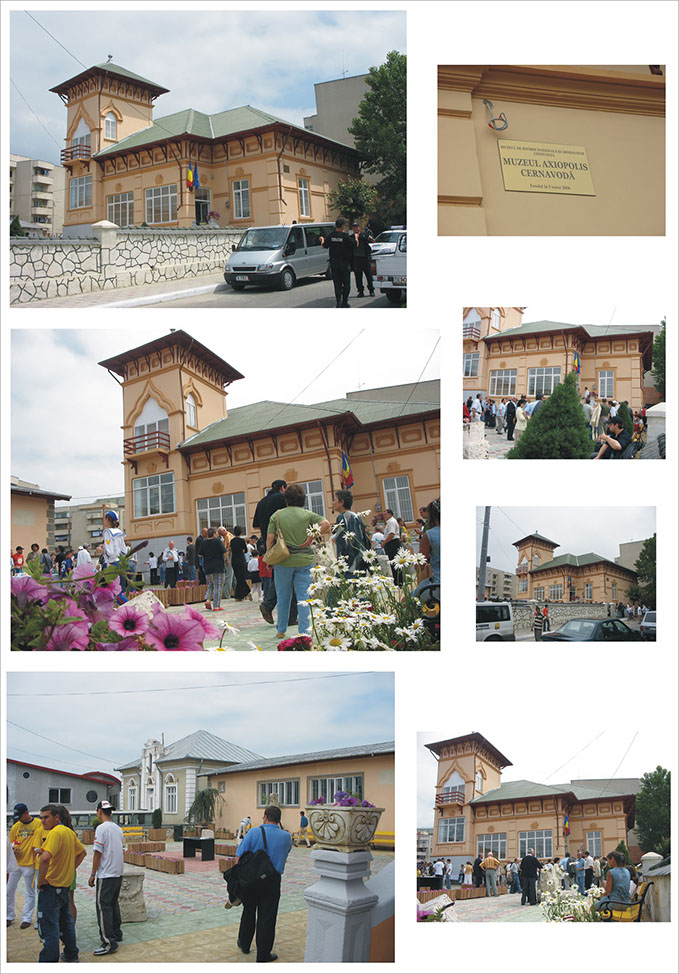
At the initiative of Cernavoda City Hall, between 2018 and 2024, the Hamangia Center and the Thinker's Workshop were established within the Axiopolis Museum, two exhibition spaces arranged to current museum standards, with EU funding within the project "Restoring the common heritage and promoting the common tourist product, Hamangia - The First Civilization of Ancient Europe" (ROBG407) and from the funds of Cernavoda City Hall.
The purpose of establishing the Hamangia Center is exclusively to present and promote the Hamangia culture, the museum concept constituting the scientific contribution of the Museum of National History and Archaeology in Constanta.
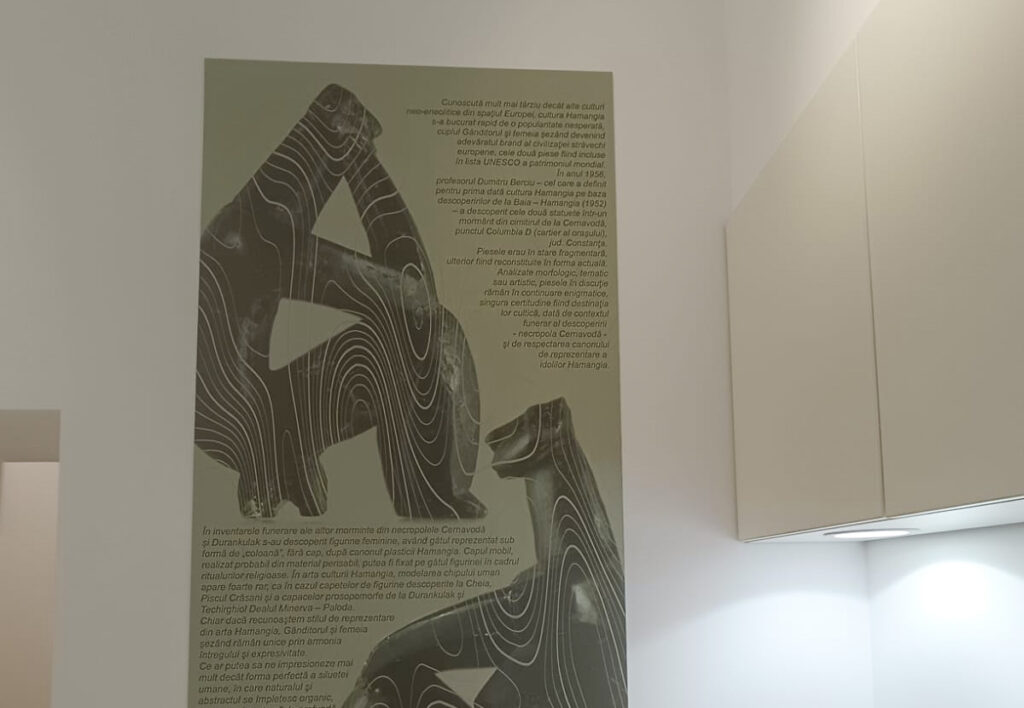
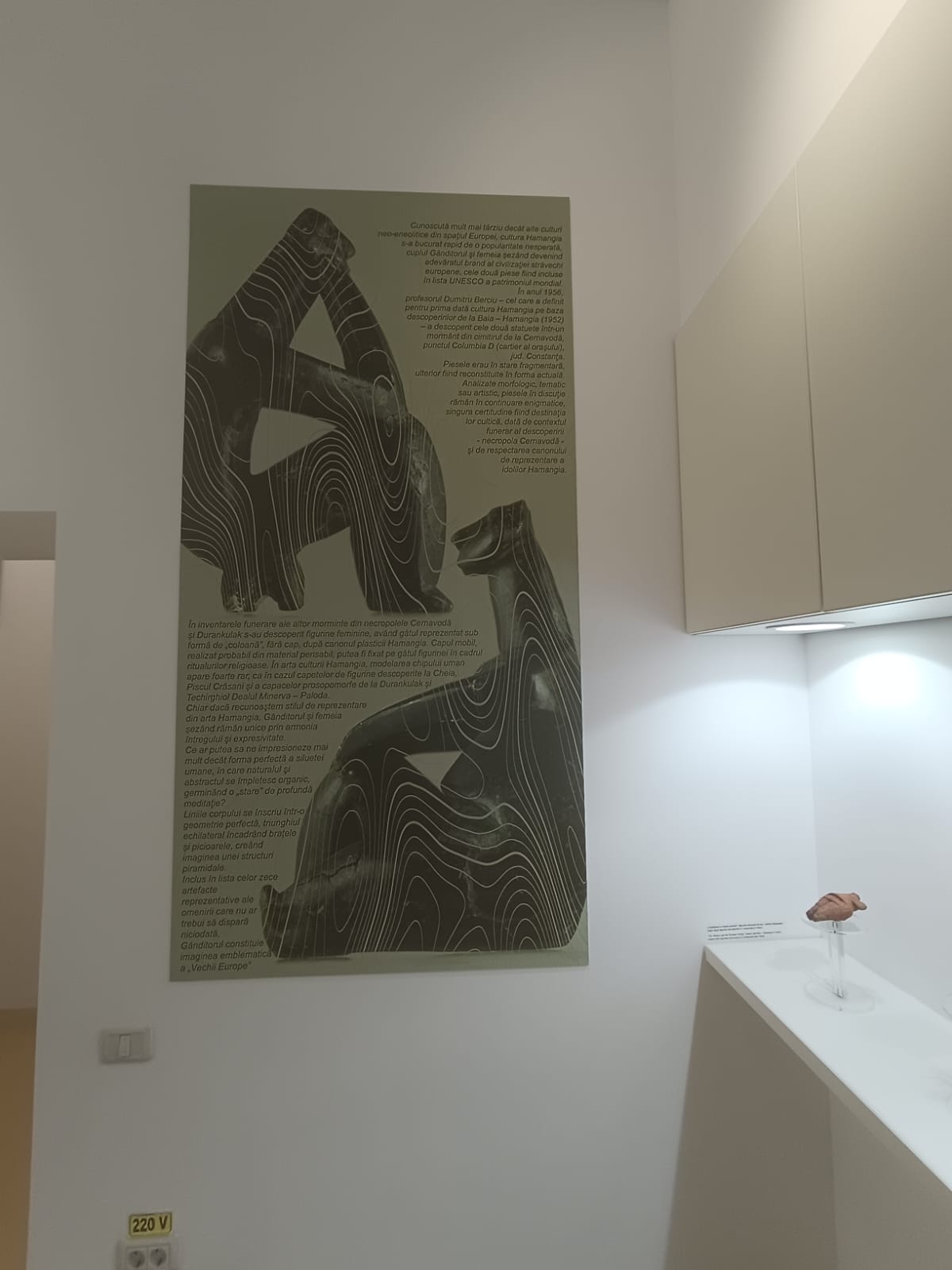
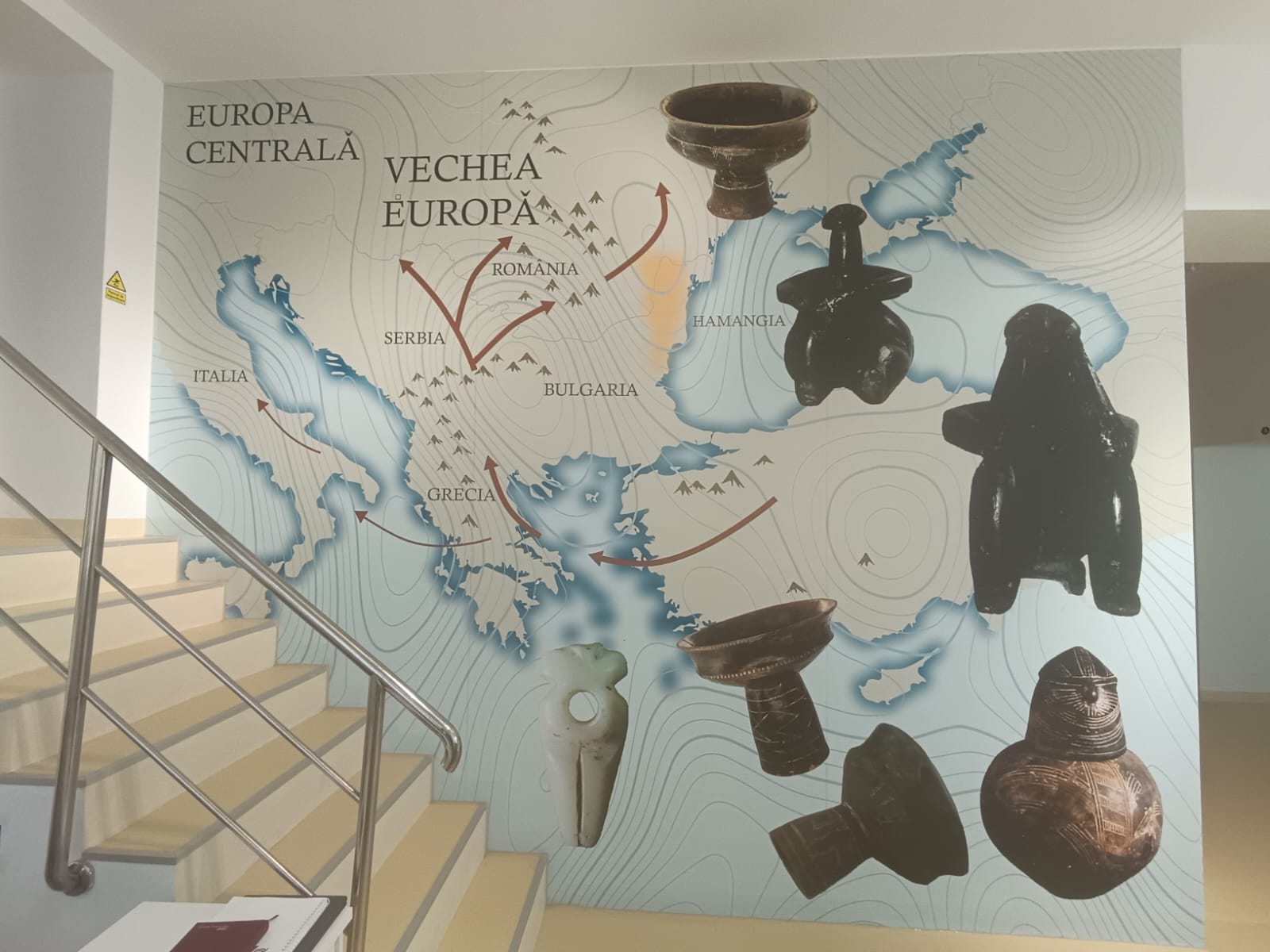
Known much later than other Neo-Aneolithic cultures in the area of "Old Europe", the Hamangia culture quickly enjoyed unexpected popularity, the couple "The Thinker and the Seated Woman" becoming the true brand of ancient European civilization. Discovered in the necropolis of Cernavodă - Columbia D point and currently in the patrimony of the National Museum of History of Romania, the two pieces were included in the short list of the great artistic creations of humanity.
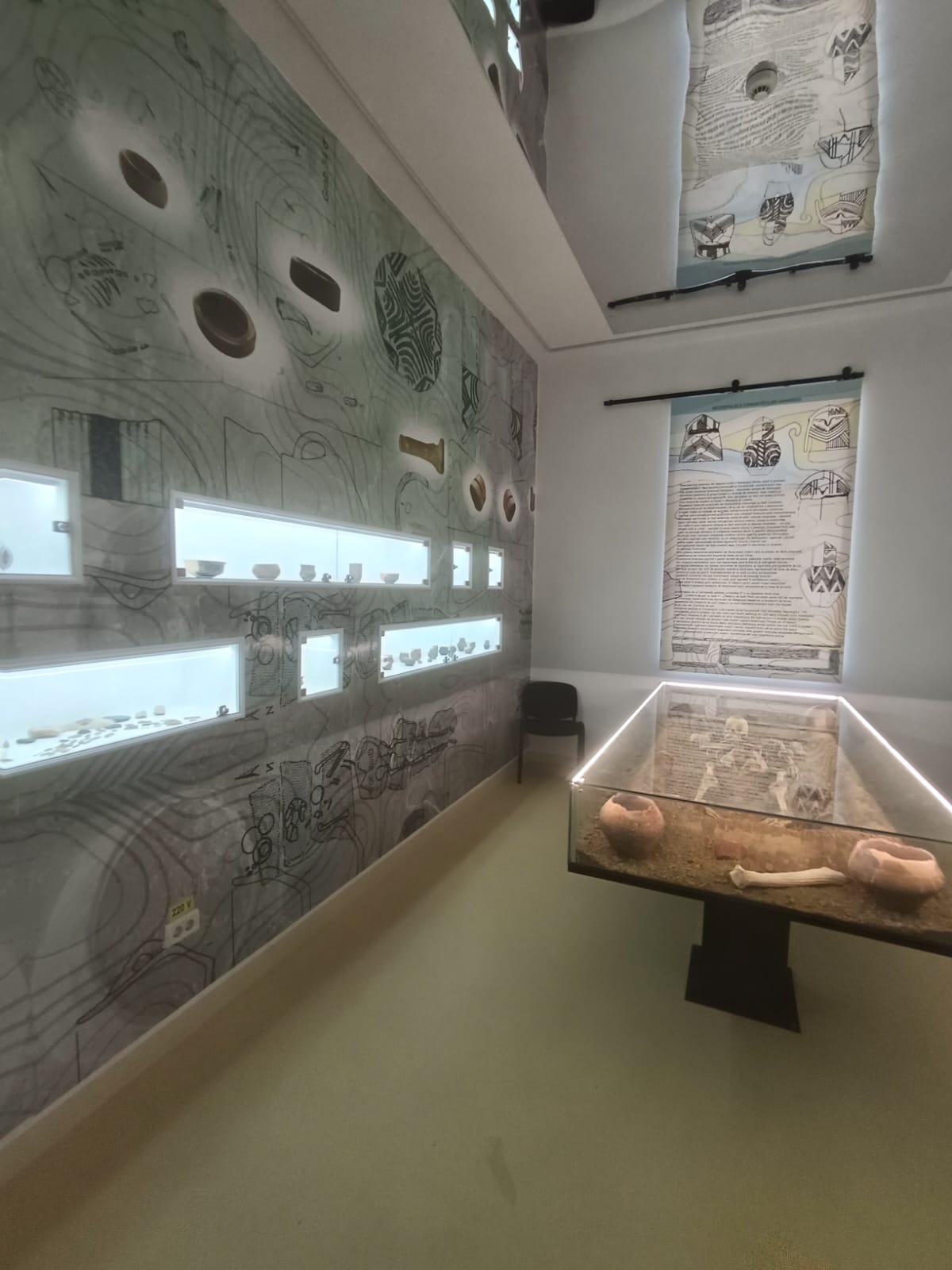
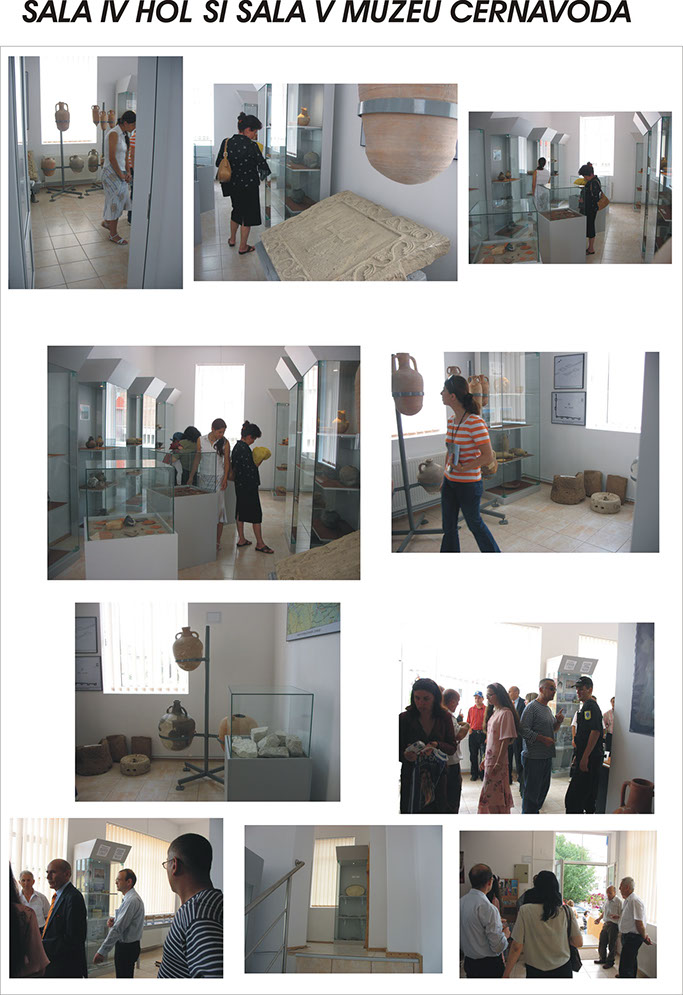
In the two exhibition spaces - Hamangia Center and The Thinker Workshop - over 500 archaeological pieces from the heritage of the Constanța Museum of National History and Archaeology are presented, some of them of exceptional value such as the footed cups and the "crater" vessel discovered in Techirghiol - "Delul Minerva", the marble bracelet from a tomb in Mangalia, clay figurines from the cemetery in Cernavodă and from the settlement in Cheia, over 50 bone points and pendants (Cheia), two entire skulls (Techirghiol).
Considering the contribution of the Hamangia culture to the birth of ancient European civilization, it was necessary to create a unique exhibition space, dedicated exclusively to this cultural phenomenon.
"Hamangia Center"
Hall 1 – informative / interactive was designed for visitors to understand the role of the Hamangia communities in the birth of "Old Europe", the areas in which they settled, to learn about other contemporary Neo-Eneolithic cultures from the South-Eastern European space. The 64 rotating tablets have images of types of Hamangia artifacts on the front and informative texts on the back about the most important aspects of the life of the Hamangia communities - spread, chronology, repertoire of discoveries, history of research, cultural interferences with other Eneolithic cultural environments from "Old Europe".
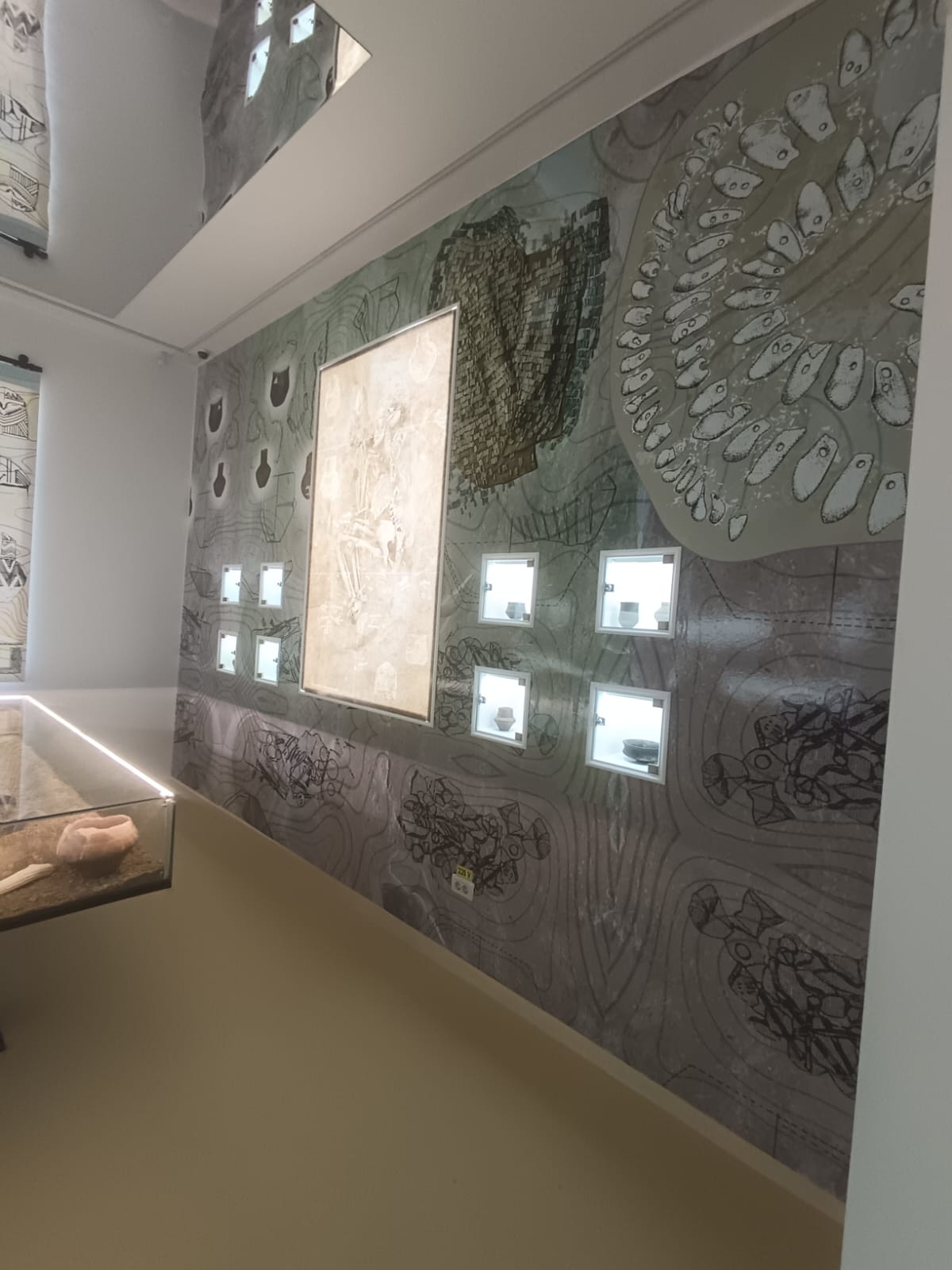
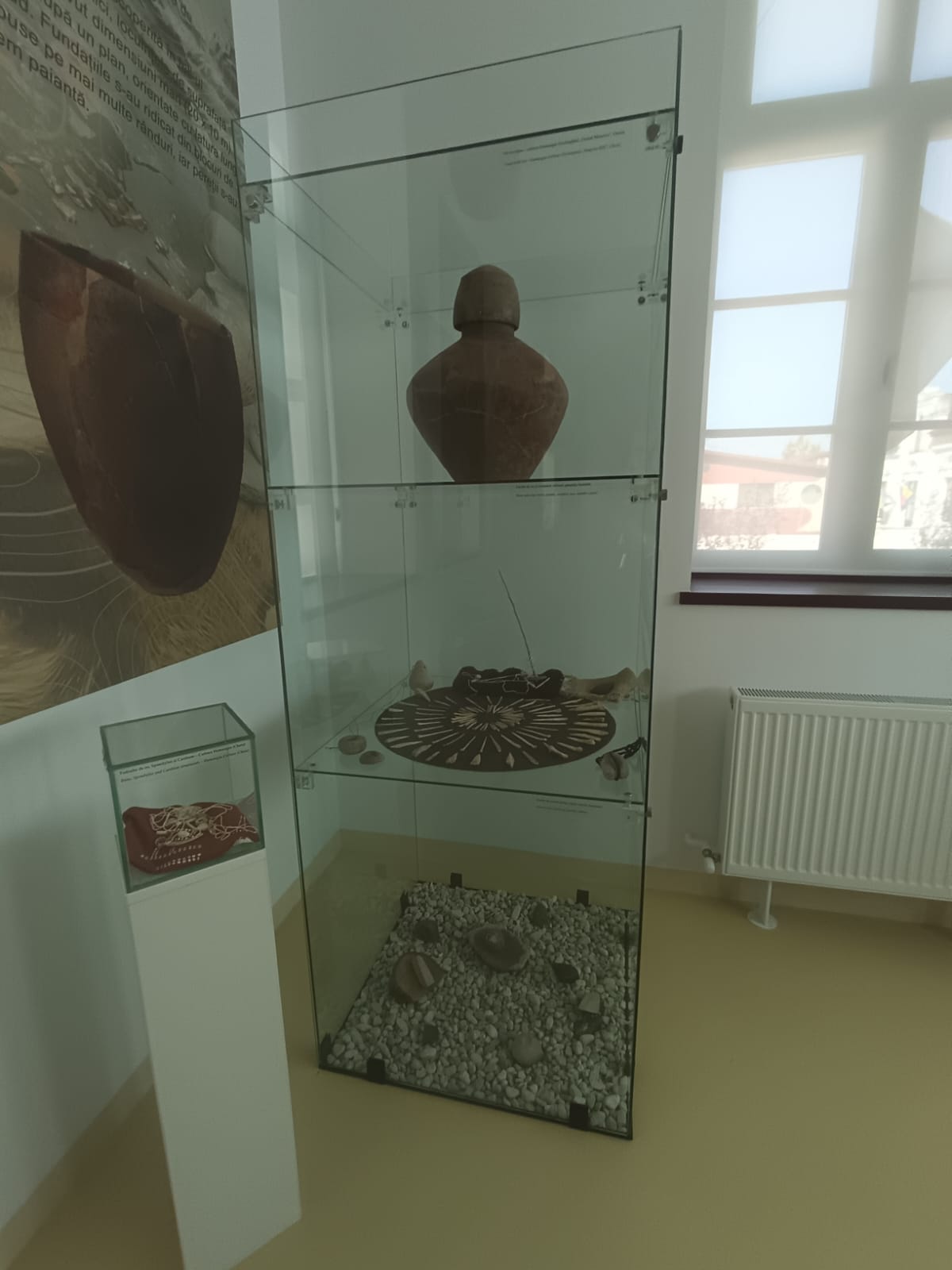
Hall 2 – „Funeral discoveries". In the niches, Hamangia artifacts discovered in tombs are exhibited: glasses, cups, small bowls, flint blades, stone axes, Spondylus bracelets, bone beads, Spondylus, Cardium, bone rings, and in the central display case, a reconstructed tomb appears.
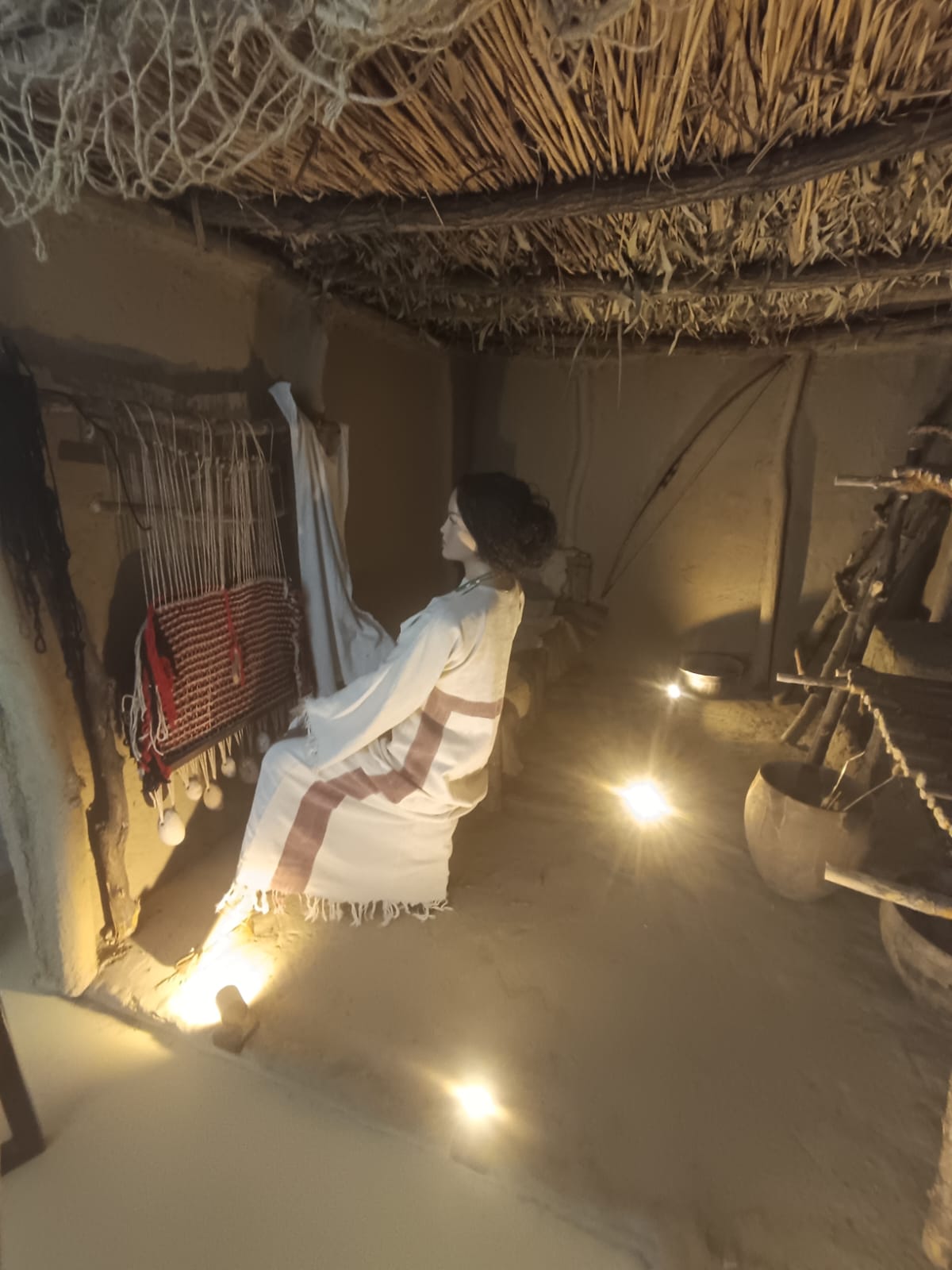
Hall 3 – "Hamangia House". Based on archaeological discoveries from the Hamangia culture settlements (Cheia, Durankulak sites), it is proposed to reconstruct the interior of a dwelling, built in a pianianta system – adobe was applied over a reinforcement made of woven reeds; the gabled roof was built using light materials (wood, reed). Household inventory was exhibited in display cases and in cubes: glasses, cups and serving bowls, cooking pots covered with slip, containers used for storing liquids and grains, flint, stone, bone tools, ornaments cut from Spondylus, Cardium, Dentalium shells, boar tusks, bone.
Hall 4 – „The potter's workshop". Pottery was a major activity, with the ceramic material discovered illustrating various modeling and decoration techniques. The ten drawers contain information and images that reconstruct the main stages of clay vessel production.
Hall 5 – "The Thinker and the Seated Woman". Dedicated to plastic arts, the hall highlights the mastery of the Hamangia artists, framing the representations in perfect geometric shapes – the circle and the equilateral triangle. Along with pieces from the collection of the Museum of National History and Archaeology Constanța, five replicas of Hamangia figurines discovered at Cernavodă and Cheia will be exhibited.
The Thinker Workshop
The second rehabilitated building is an experimental archaeology workshop, intended for practical pottery activities, using methods and materials specific to the Neo-Eneolithic period, a special space dedicated to hands-on activities with children, students, young people, etc. Set up in an old, abandoned building, where a leather workshop operated, the construction has withstood the test of time, over 100 years. The workshop function assigned to the rehabilitated building is reminiscent of old crafts that the project brings to the public consciousness. The investment “Restoring the common heritage and promoting the common tourist product, Hamangia – The First Civilization of Old Europe” included the consolidation and rehabilitation of the building, the provision of furniture, equipment and utensils specific to pottery.