7 Arhiepiscopiei Street, Ovidiu Square, Constanța

7 Arhiepiscopiei Street, Ovidiu Square, Constanța

Modern-Contemporary History Repository of the Museum of National History and Archaeology, Constanta

The process of establishing the Modern-Contemporary History Collection/Repository within the Museum of National History and Archaeology in Constanta began between 1957 and 1977, when the first acquisitions were made, as well as through loans from other museums in the country, and the first donations were received.

In 1977, when the 100th anniversary of Romania's independence was celebrated, the Museum of Archaeology received not only the title of Museum of National History and Archaeology, but also a new headquarters, in a historical monument building, the former City Hall. With the reorganization of the institution, a Modern-Contemporary History section was also created, and the second floor of the building was allocated to the permanent exhibition dedicated to the history of Dobrogea and Romania in the modern-contemporary period. Over time, this collection has grown, currently reaching over 14,000 heritage items.

The Modern-Contemporary History Repository includes documents, photographs, postcards, but also a series of three-dimensional objects, usually goods that belonged to local/regional personalities (politicians, military men, teachers, literary figures, etc.), who contributed to the development of Constanța and Dobrogea and stood out nationally.

We mention, among these, the Chirescu Family funds from Rasova and Cernavodă (founders of churches, libraries and Romanian schools even before 1877), the Cotovu Family Fund from Hârșova, also a reference for the history of Dobrogea, the Dobrogea school and museography, the Constantin Brătescu and Remus Opreanu personal funds (important politicians and local councilors), the Berberianu family, the historian and politician I. N. Roman, the writer and lawyer Valerian Petrescu, the painter Cik Damadian, the lawyer Radu Roșculeț, the Limbidi family, the lawyer Al. Șteflea, the prefect Victor Dușa, Gh. Dincă, the writers Grigore Sălceanu and Corneliu Leu, the commander Francisc Hosciuc, etc.

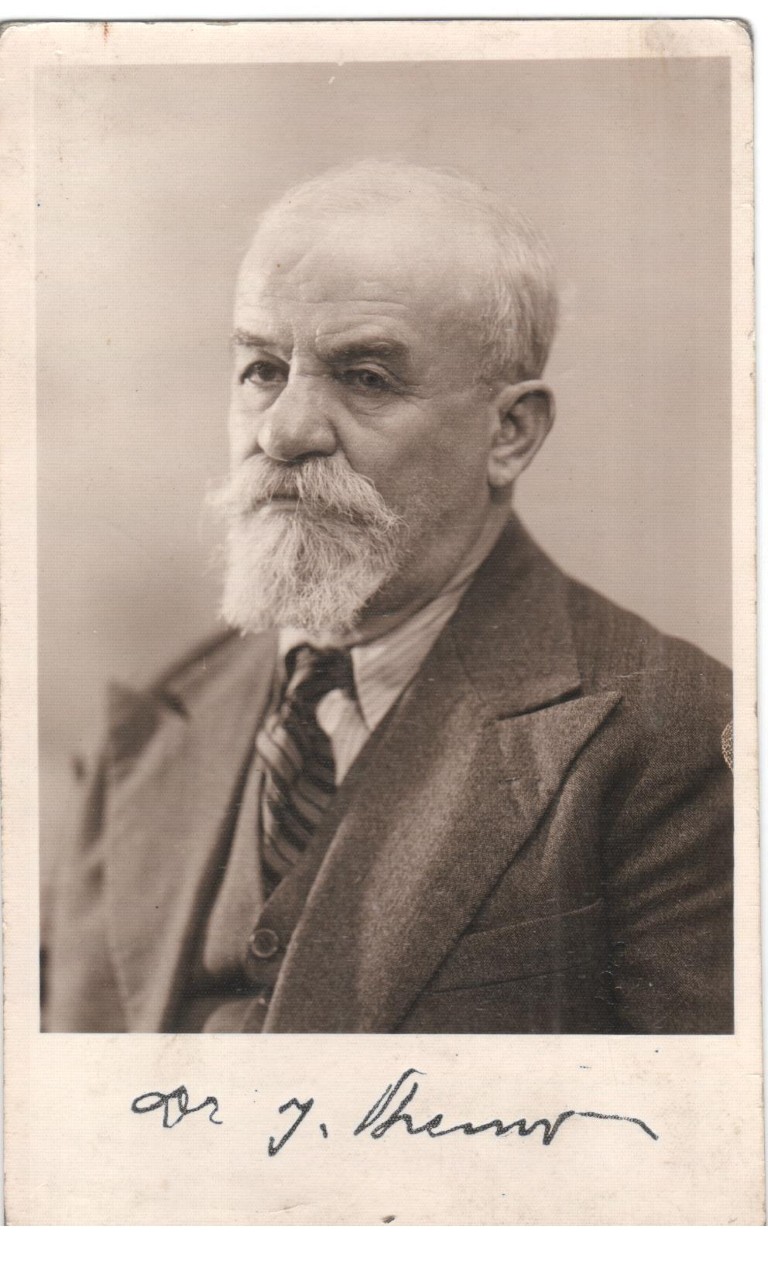
The Ibrahim Themo Fund, the only one in Romania, includes numerous photographs, newspapers, books, brochures, etc., which reflect the revolutionary, political, and professional activity of this doctor and prominent politician.

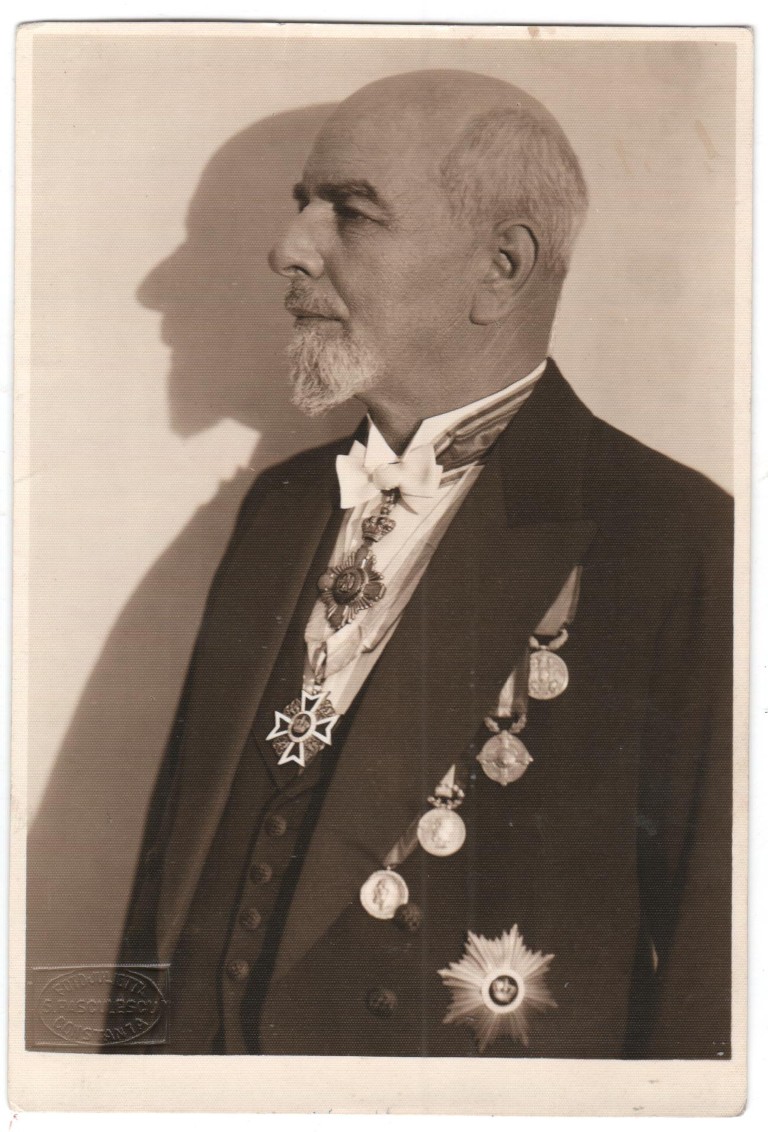
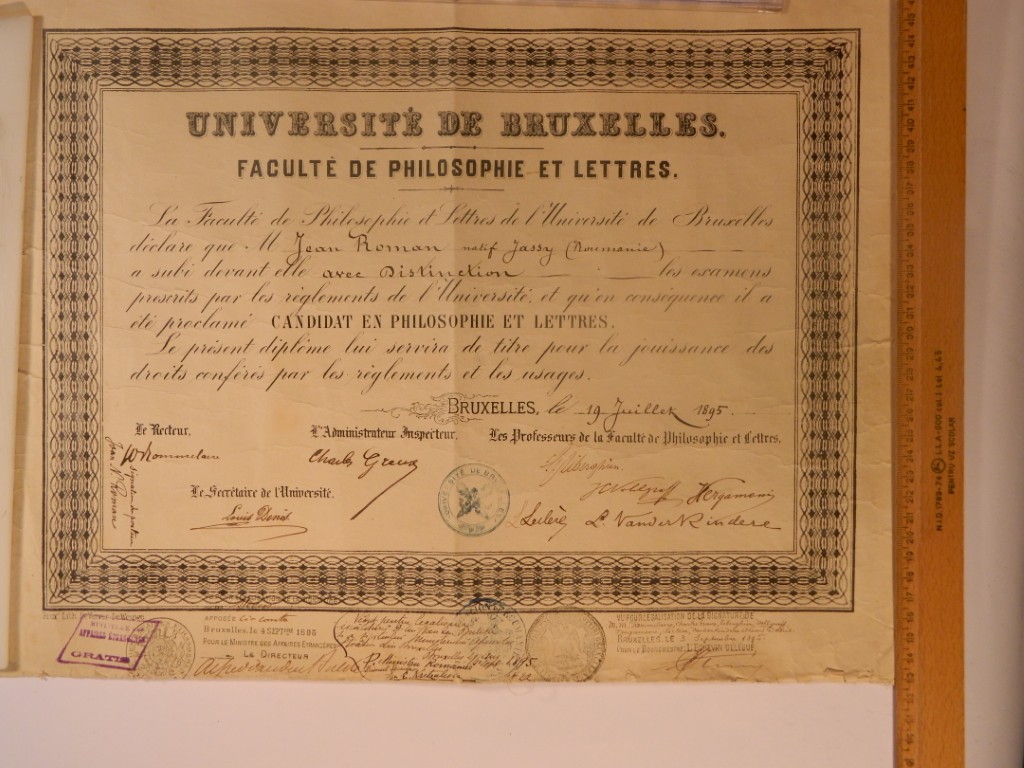
I.N. Roman, the most famous personality of the interwar period in Constanta, is present in our heritage through manuscripts, photographs, personal and professional documents, which illustrate his activity as a fighter for the rights of Dobrogeans, but also as a lawyer, historian, politician, etc.

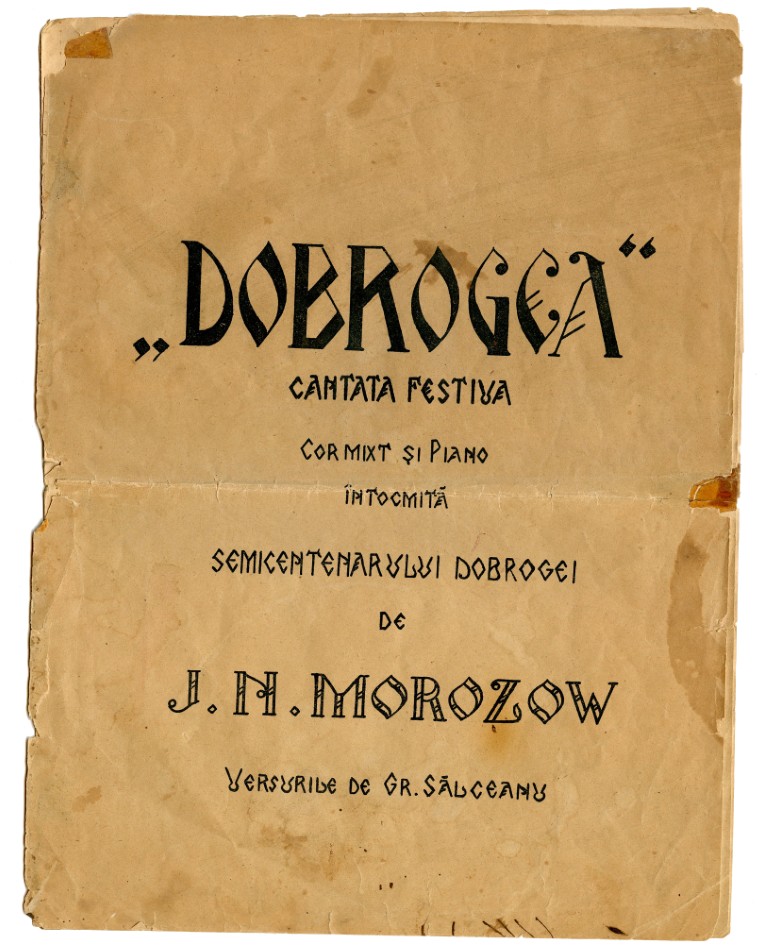
Regarding the Chirescu collection, some of the documents and objects were donated by Ioan and Dimitrie Chirescu and another by Prof. Dr. Ion Solcanu. The collection includes documents from Dimitrie Chirescu, musical scores by the composer Ioan D. Chirescu and documents by Colonel Dimitrie Chirescu.

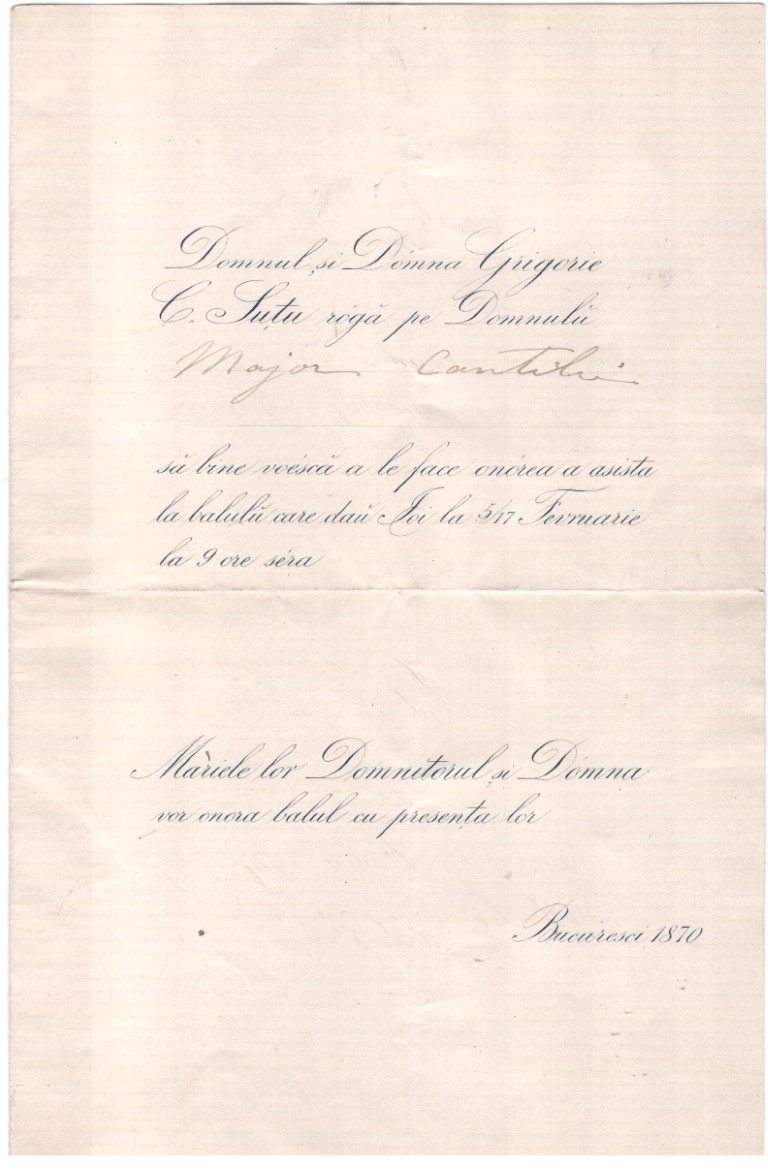
The heritage of the Constanța Museum of National History and Archaeology includes documents regarding national personalities, represented by General Grigore Cantilli, General Emanoil Manolescu-Mladian, George Enescu, Al. Vaida-Voevod, Nicolae Iorga, etc.

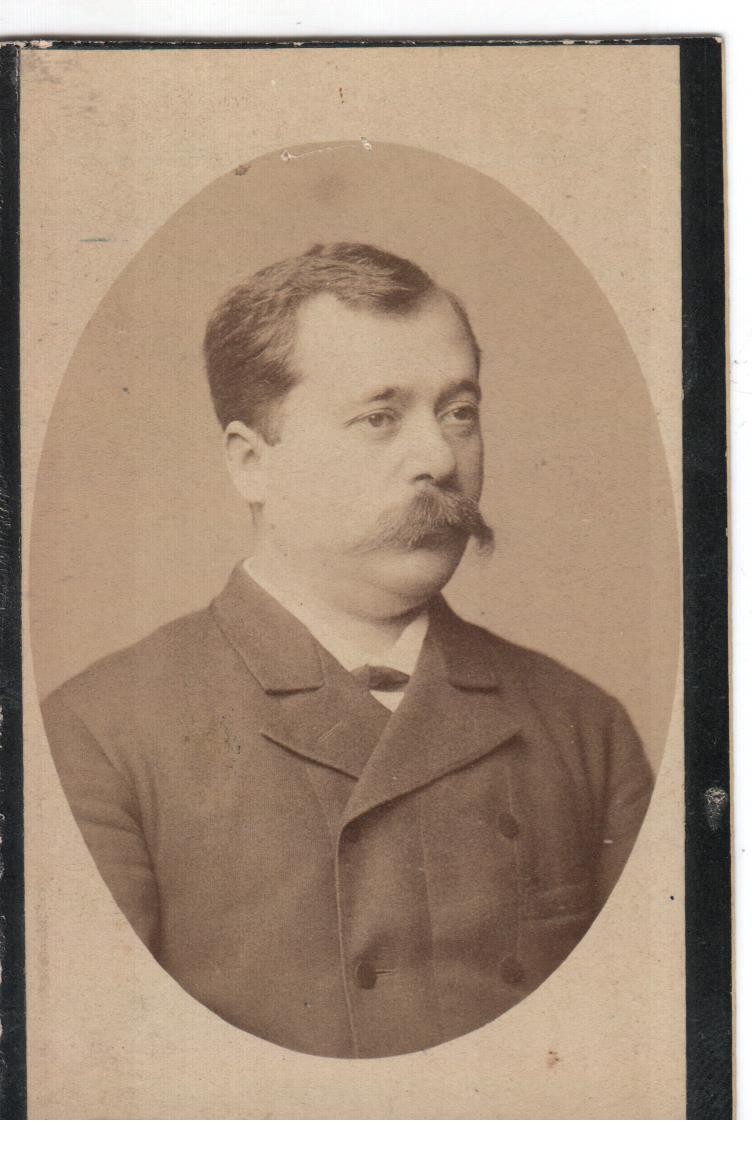
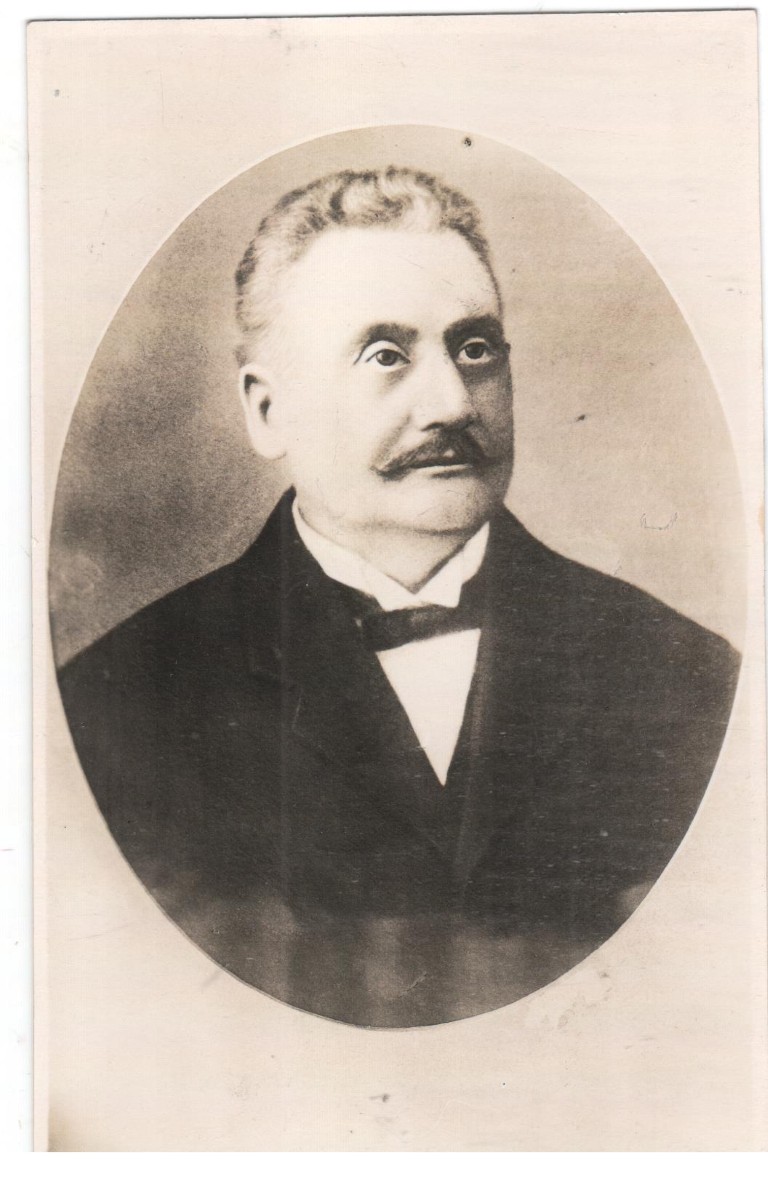
Remus Opreanu
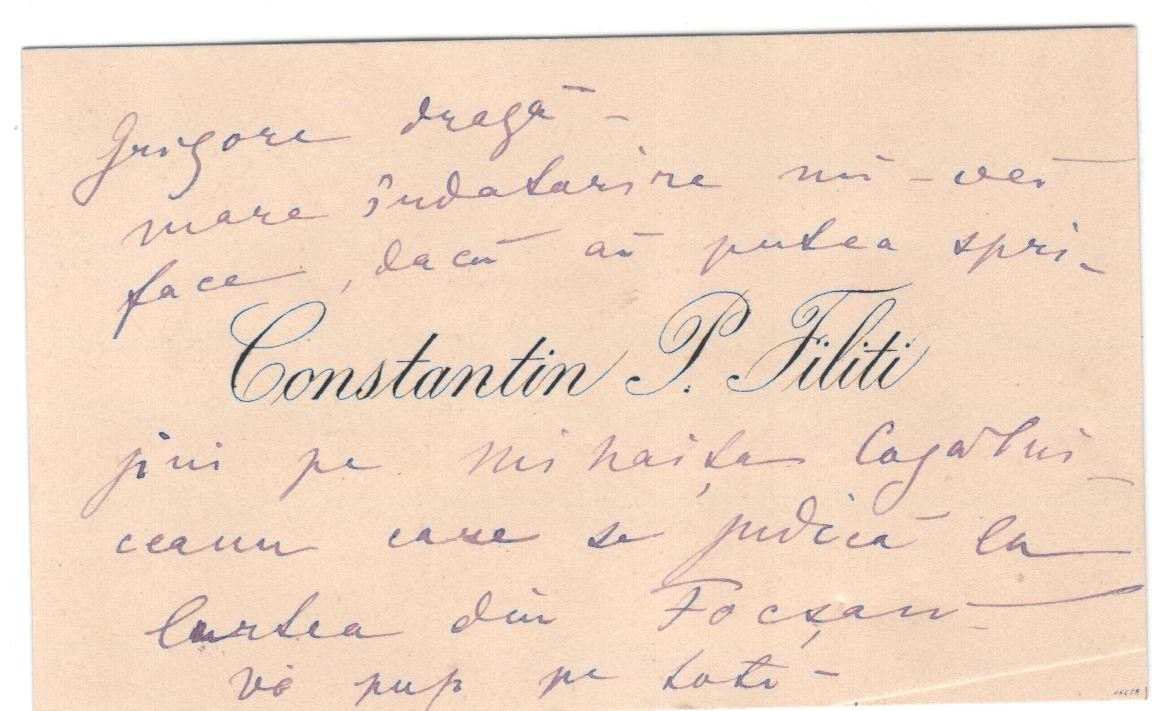
Constantin-Filitti business card
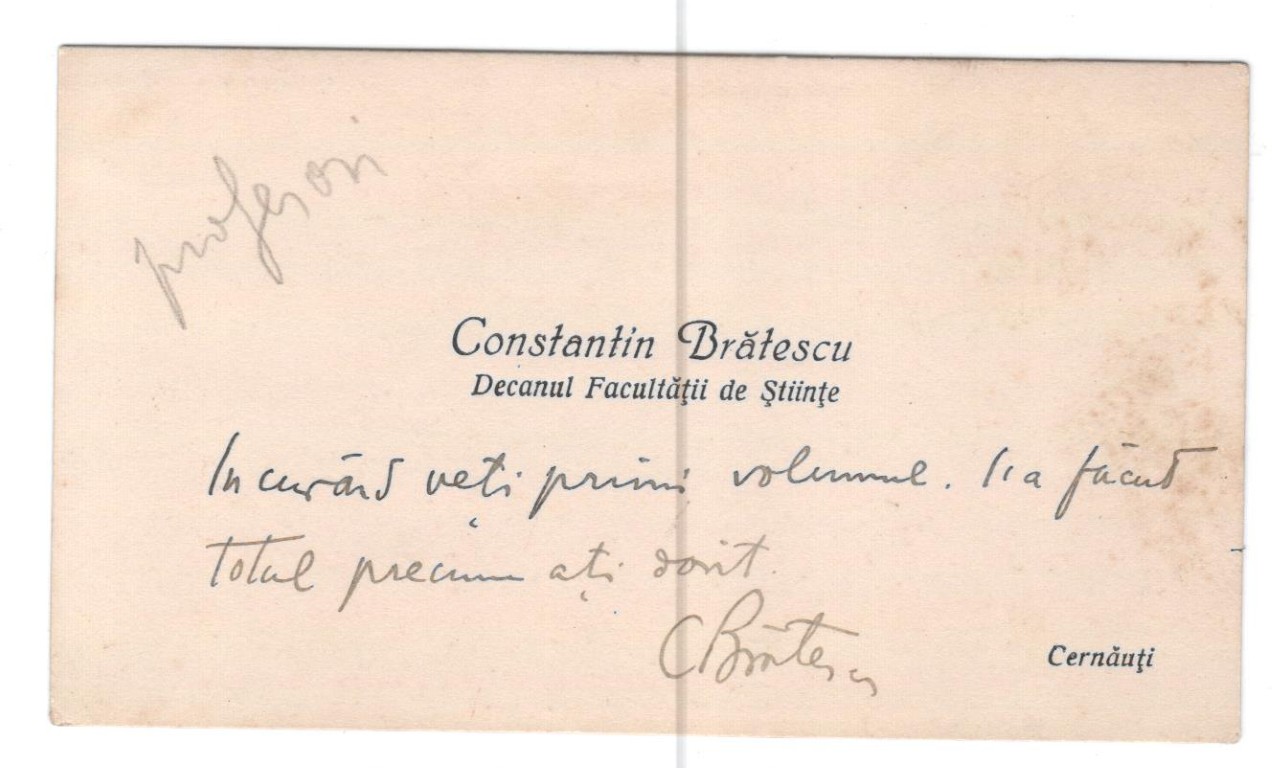
Constantin Brătescu business card

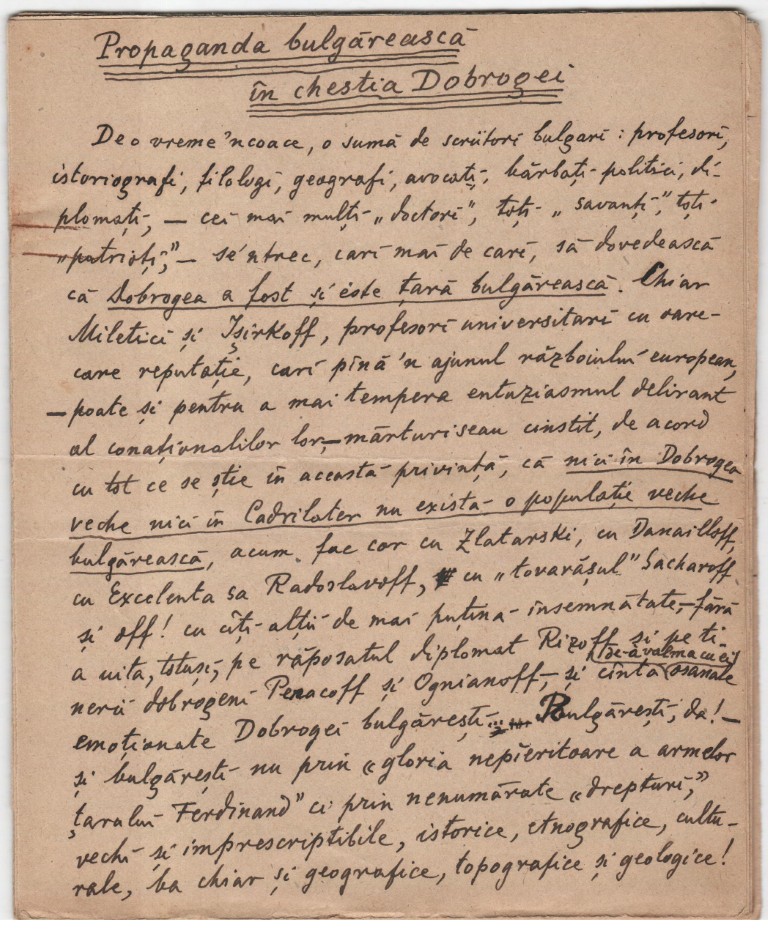
Many of the volumes in the Modern-Contemporary History Depository are donated by authors with dedication. Letters, business cards, notes, manuscripts of various personalities are also holographs, which increases the value of the documents themselves.

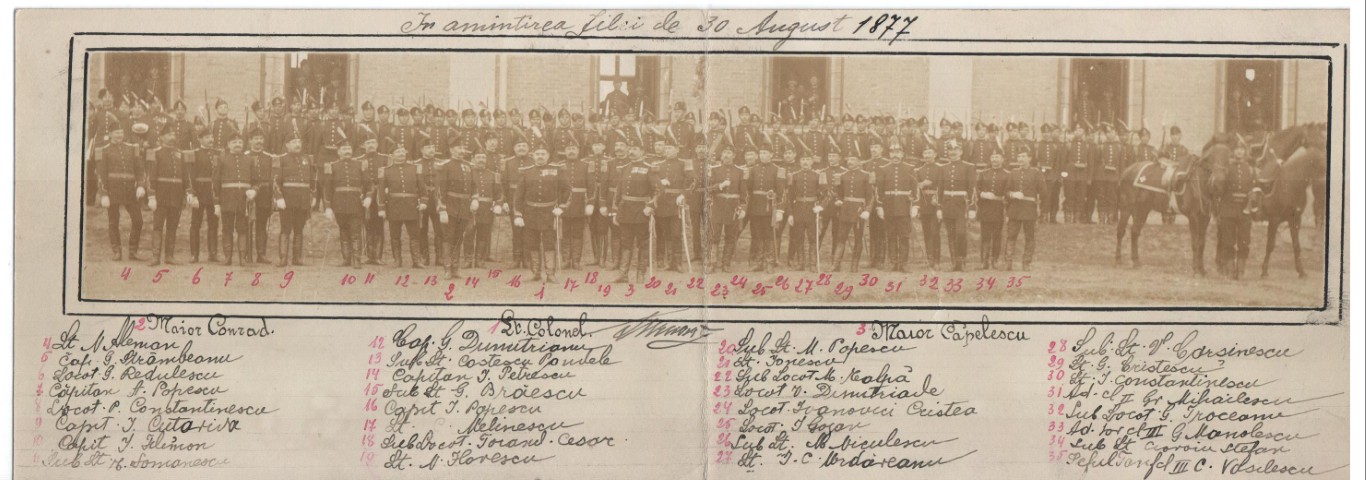
Important moments in Romanian history are also reflected by the documents in this collection, with the emphasis, as is normal, on Dobrogea and its people: the War of Independence, the Semicentennial of Dobrogea's integration into the country's borders, the evolution of the province during the two world wars and later during the communist period.

As special artifacts, the two unique albums of the Dobrogea Semicentennial stand out, which bring together between their covers photographs from the entire province and which were taken in 1928, on the occasion of the aforementioned event.

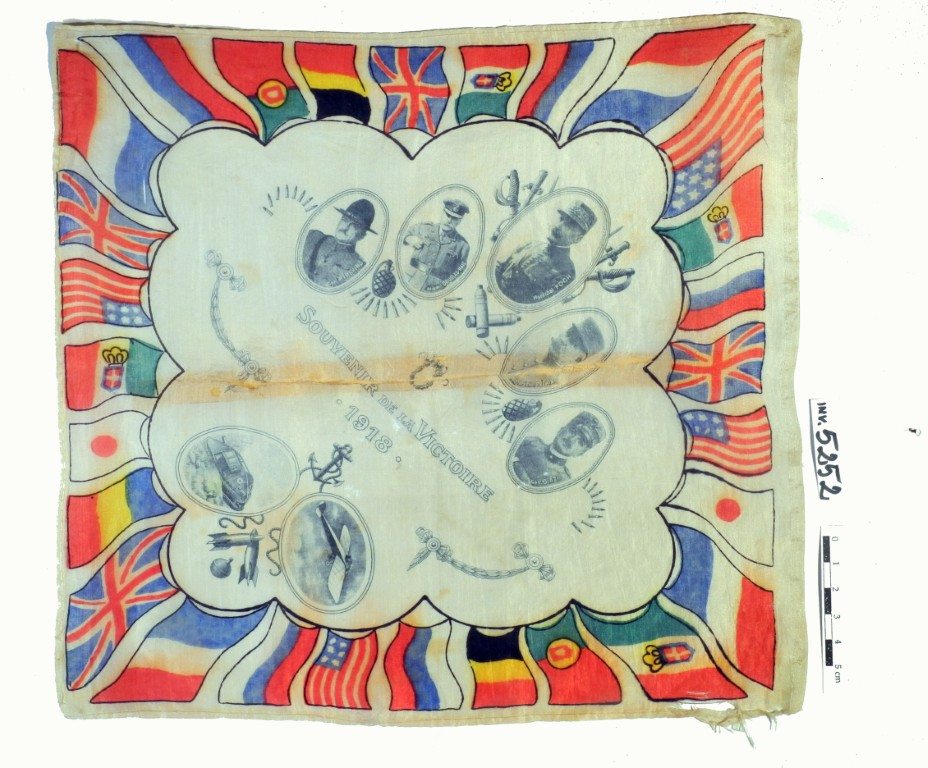
Regarding the period of the two world wars, the heritage of the Constanța Museum of National History and Archaeology holds numerous patents and other documents – including memories – of those who fought, whether military figures or simple soldiers. 

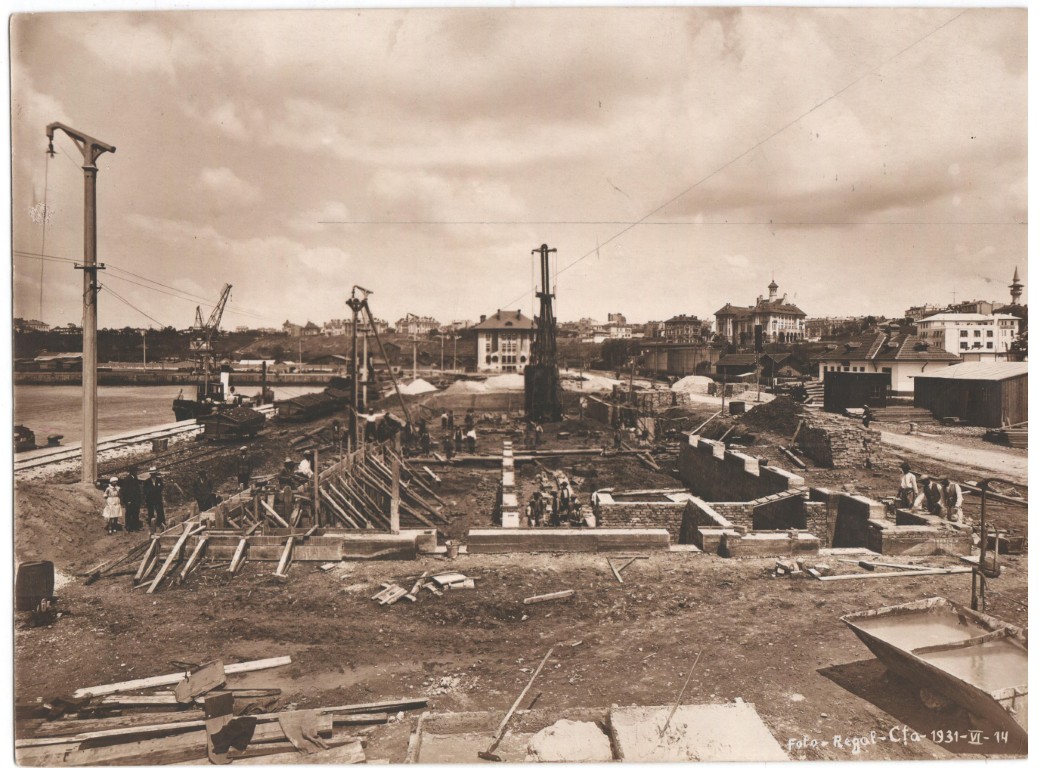
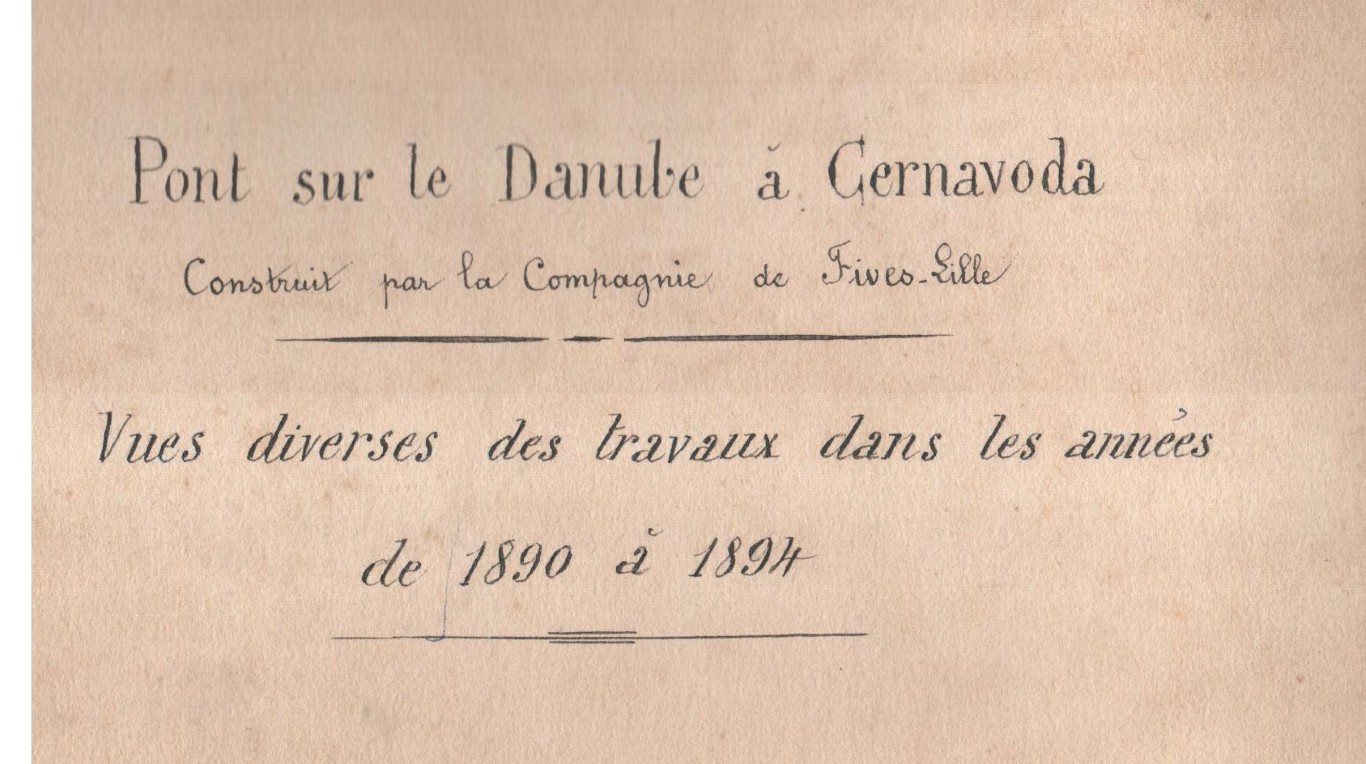
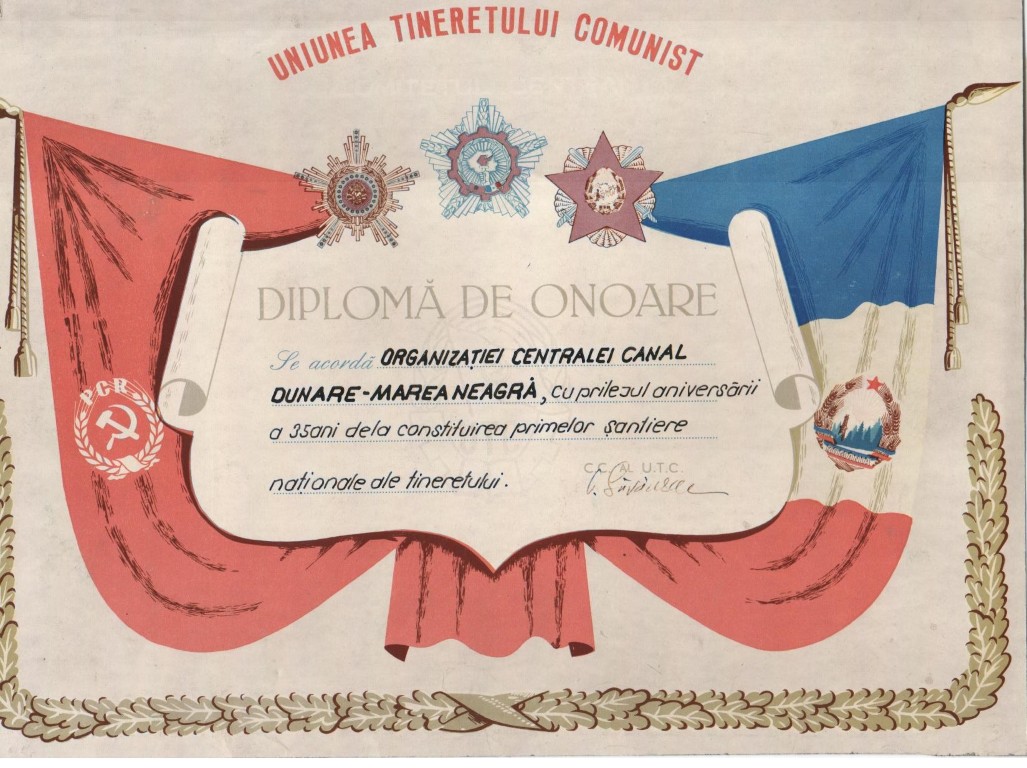
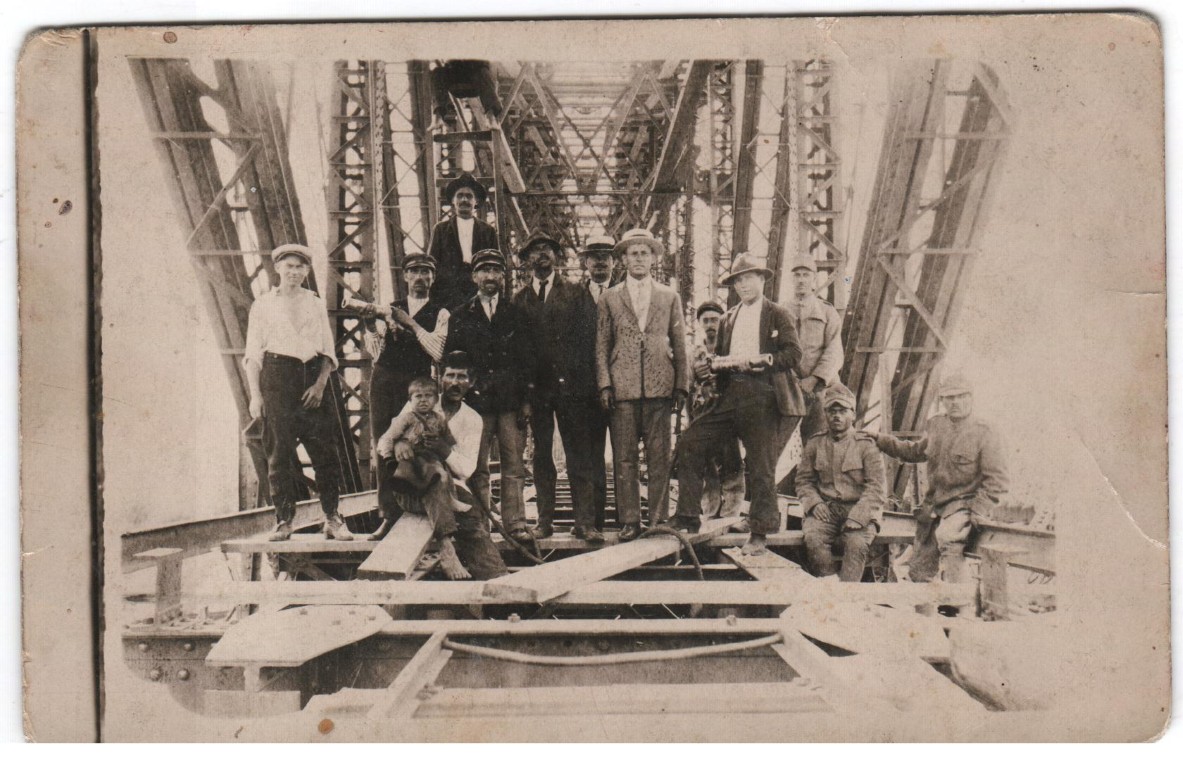
A separate category of documents refers to the infrastructure and economy of the province, an important place being occupied by the photo-documentary material related to the construction of the Cernavoda Bridge, the construction and evolution of the Port of Constanta, the Danube-Black Sea Canal, the Cernavoda NPP. As a unique item, the album of photos taken during the construction of the Cernavoda Danube Bridge, the inauguration of which is 130 years old, stands out.

Other documents concern the localities of Dobrogea and the various cultural and educational institutions in the city and the county, Dobrogea education being very well highlighted by a substantial collection of school textbooks from different historical periods.

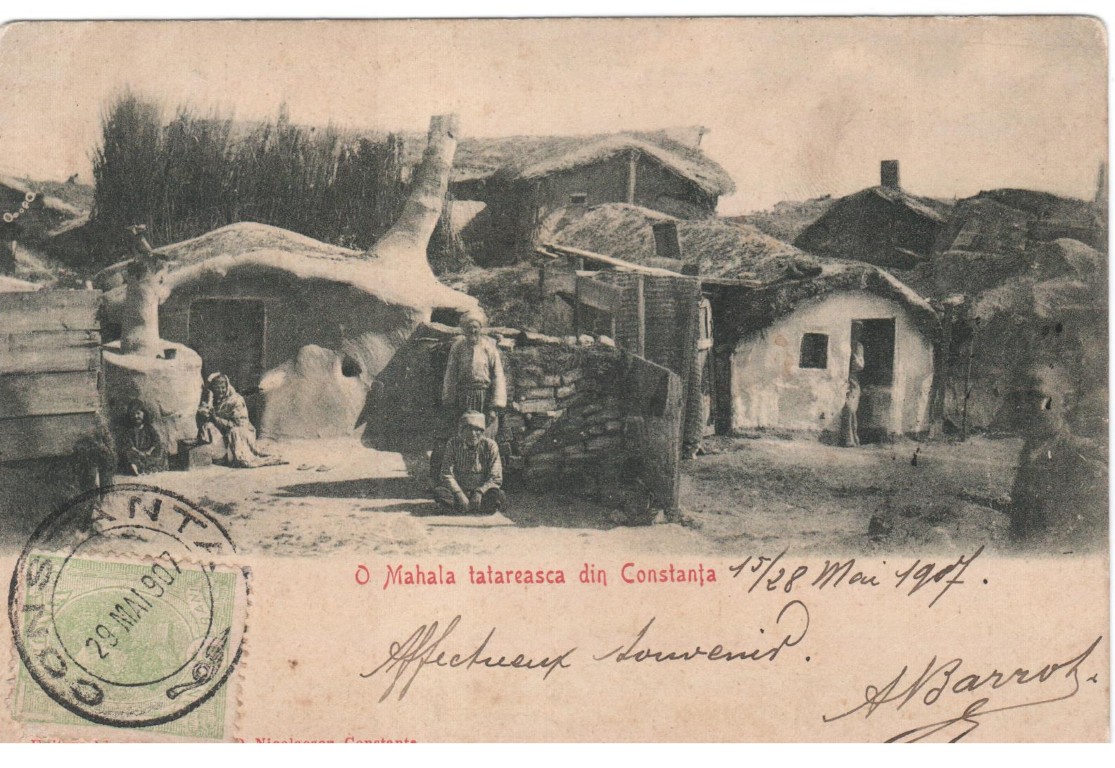
The collection of photographs, lithographs, postcards and greeting cards from Dobrogea, but also from the rest of Romania and even from abroad completes this substantial Depository, along with plans, maps, periodicals, posters, albums and other such assets related to the modern and contemporary history of the province and the country.

For the city located on the Black Sea coast, the sector related to the navy and army is also important, the Modern-Contemporary History Depot having in its heritage photographs, uniforms, ship models, lanterns, etc. Also related to the navy and World War II, the Constanța Museum of National History and Archaeology holds fragments of the Tirpitz battery.

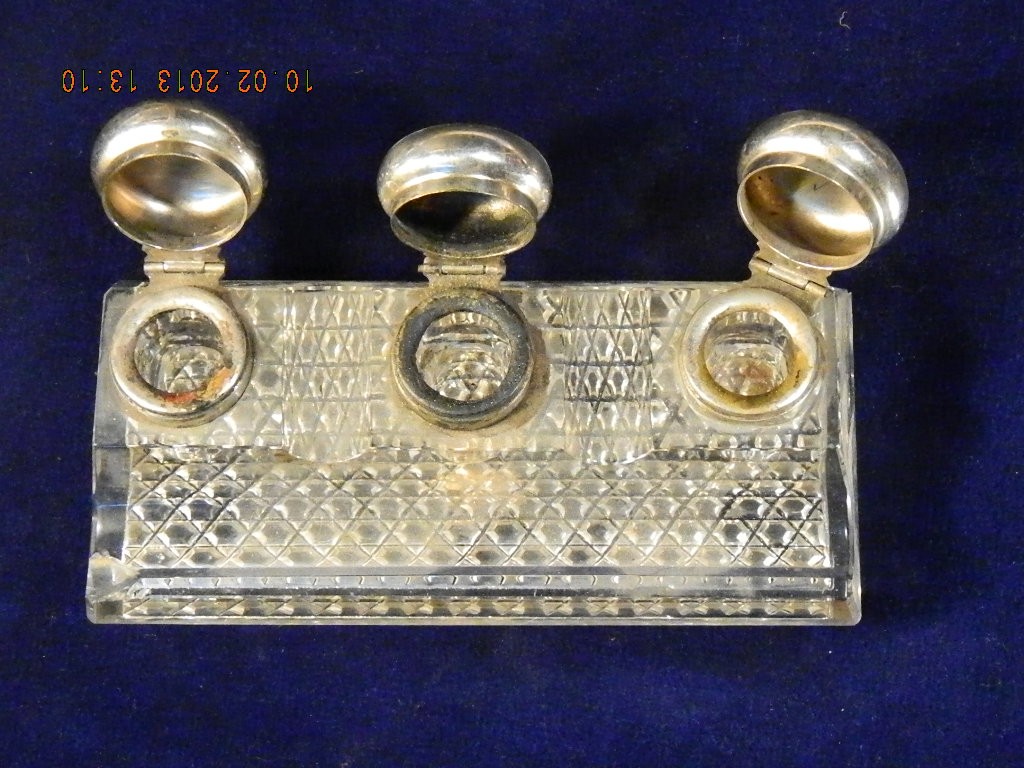
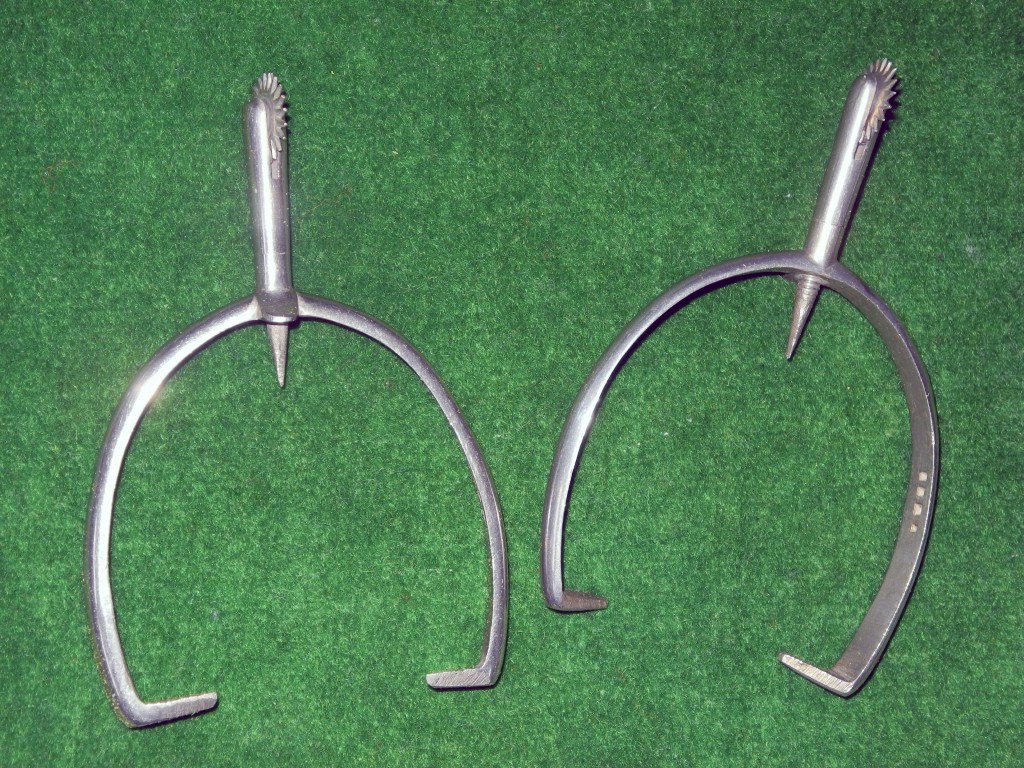
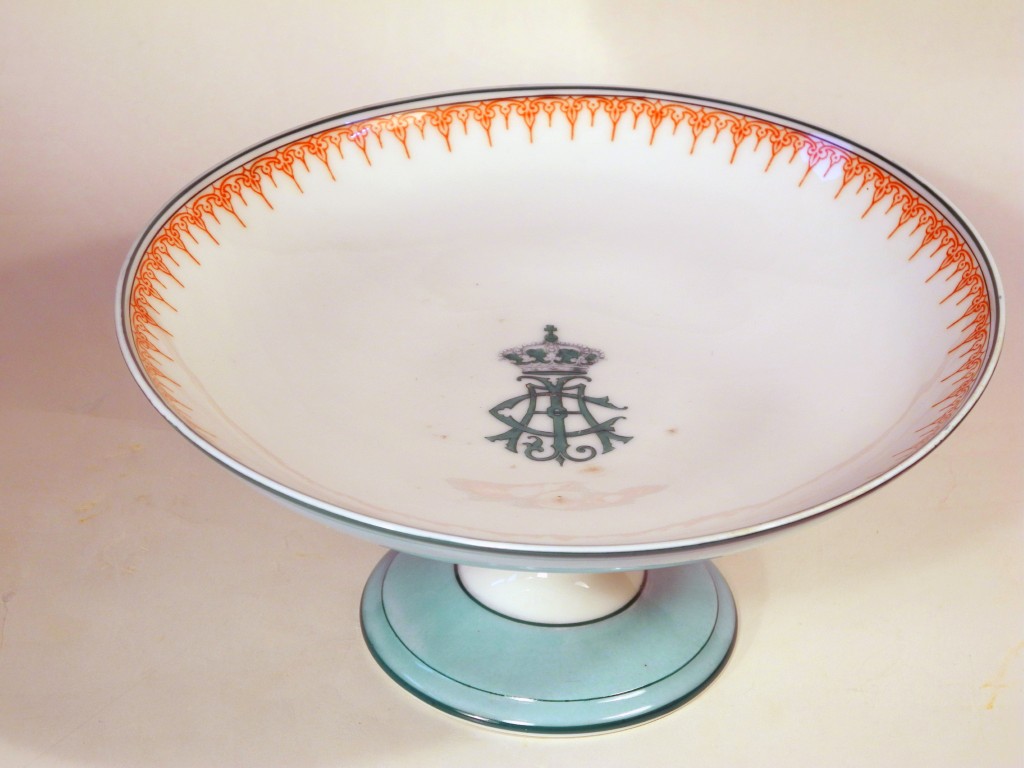
People's daily life is also highlighted by a series of decorative objects, watches (that of the "Mircea cel Bătrân" High School, for example), cameras, travel crates, sewing machines, writing machines, statuettes, furniture, carpets, etc., which belonged to some personalities and reference institutions from the Dobrudja area.

The various measuring instruments are also important, starting with Cuza's meter and ocaua, included in our museum heritage.

Personalities of local and national history are also present in the form of busts: Ovidiu Publius Naso, Mircea the Elder, Alexandru Ioan Cuza, Constantin Brătescu, Vasile Pârvan, Grigore Tocilescu.

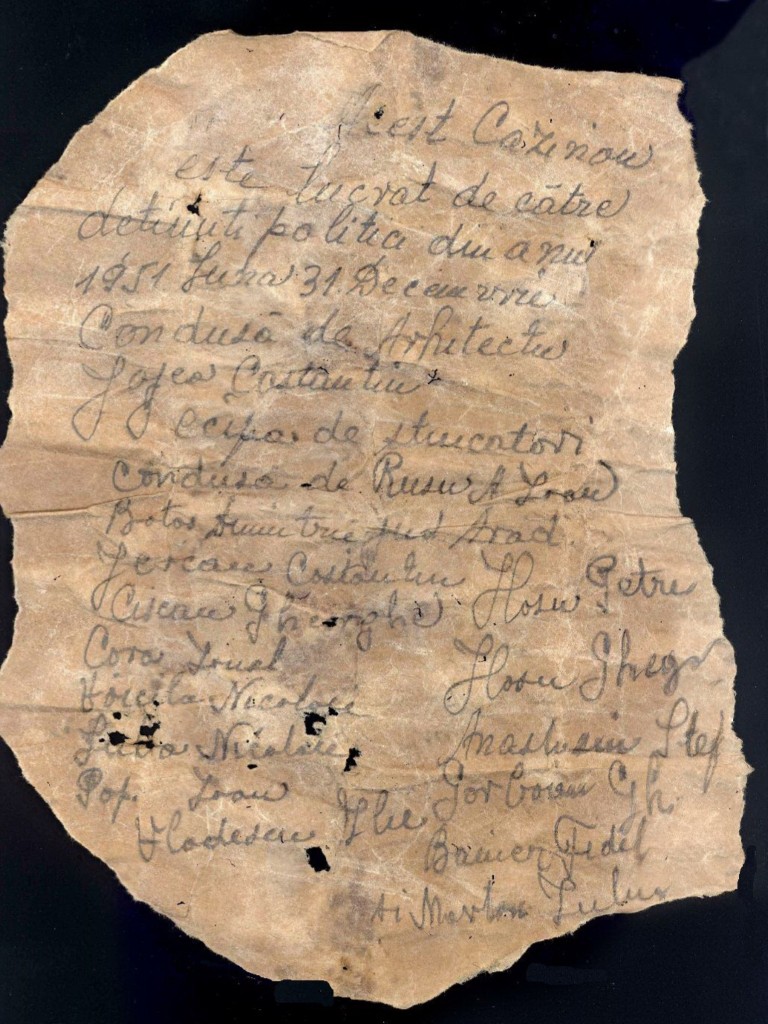
The communist period is well represented in the Museum's Modern-Contemporary History Repository, both in terms of documents, books and three-dimensional objects, the most recent assets from this period, which entered the MINAC heritage, being three paper notes written by political prisoners from Canal, who worked on the restoration of the Casino between 1951-1953, and which were found and recovered during the renovation works carried out between 2020-2025.
Constanta Port under construction
Skip to content