
Exponatul lunii octombrie 2026. Istorie prinsă în carafă. History Captured in a Jug
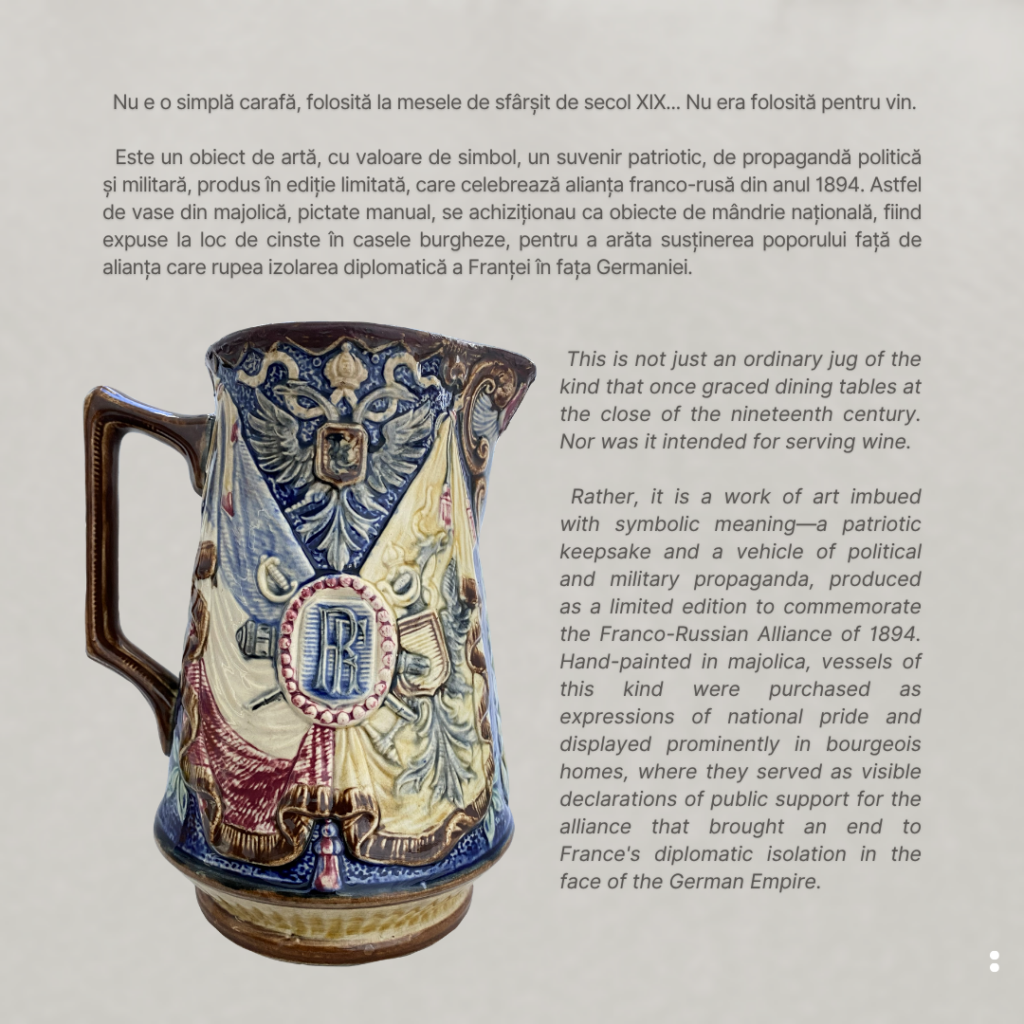
Nu e o simplă carafă, folosită la mesele de sfârșit de secol XIX… Nu era folosită pentru vin.
Este un obiect de artă, cu valoare de simbol, un suvenir patriotic, de propagandă politică și militară, produs în ediție limitată, care celebrează alianța franco-rusă din anul 1894. Astfel de vase din majolică, pictate manual, se achiziționau ca obiecte de mândrie națională, fiind expuse la loc de cinste în casele burgheze, pentru a arăta susținerea poporului față de alianța care rupea izolarea diplomatică a Franței în fața Germaniei.
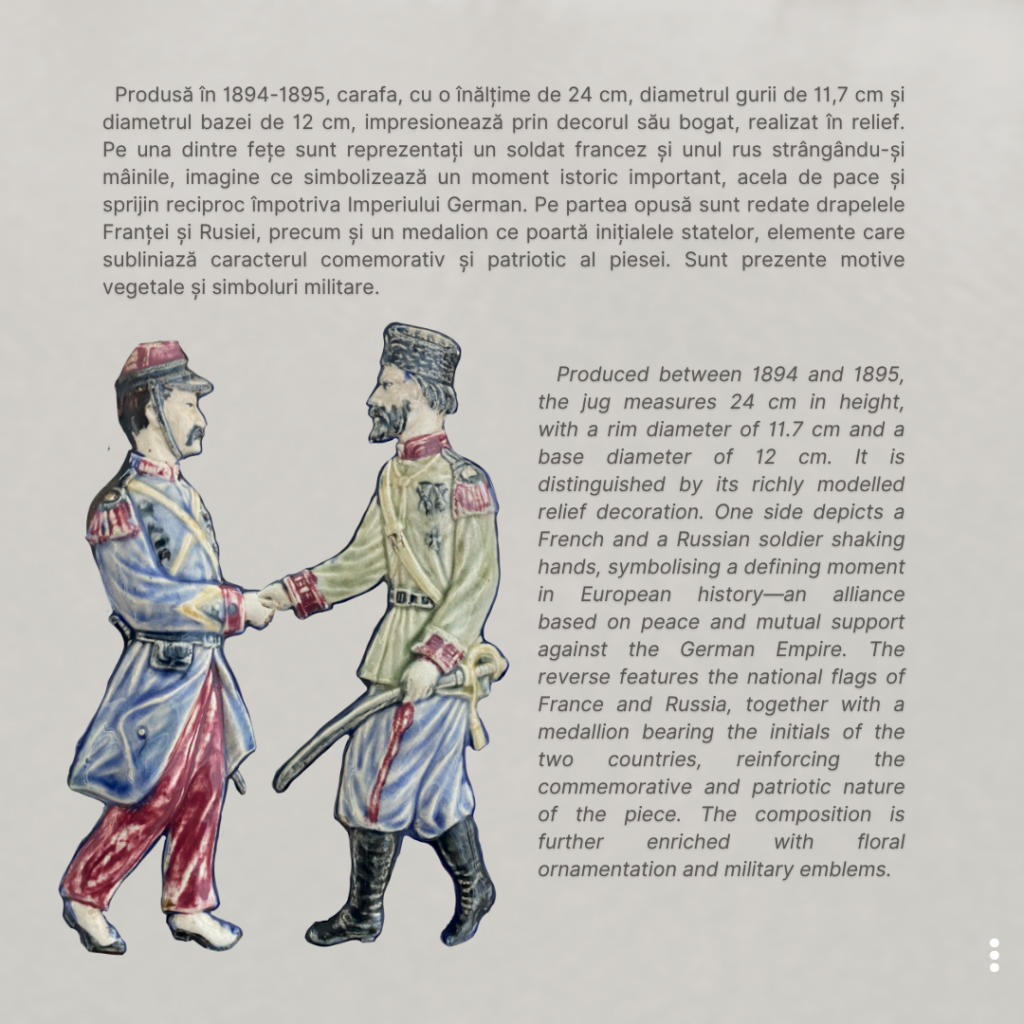
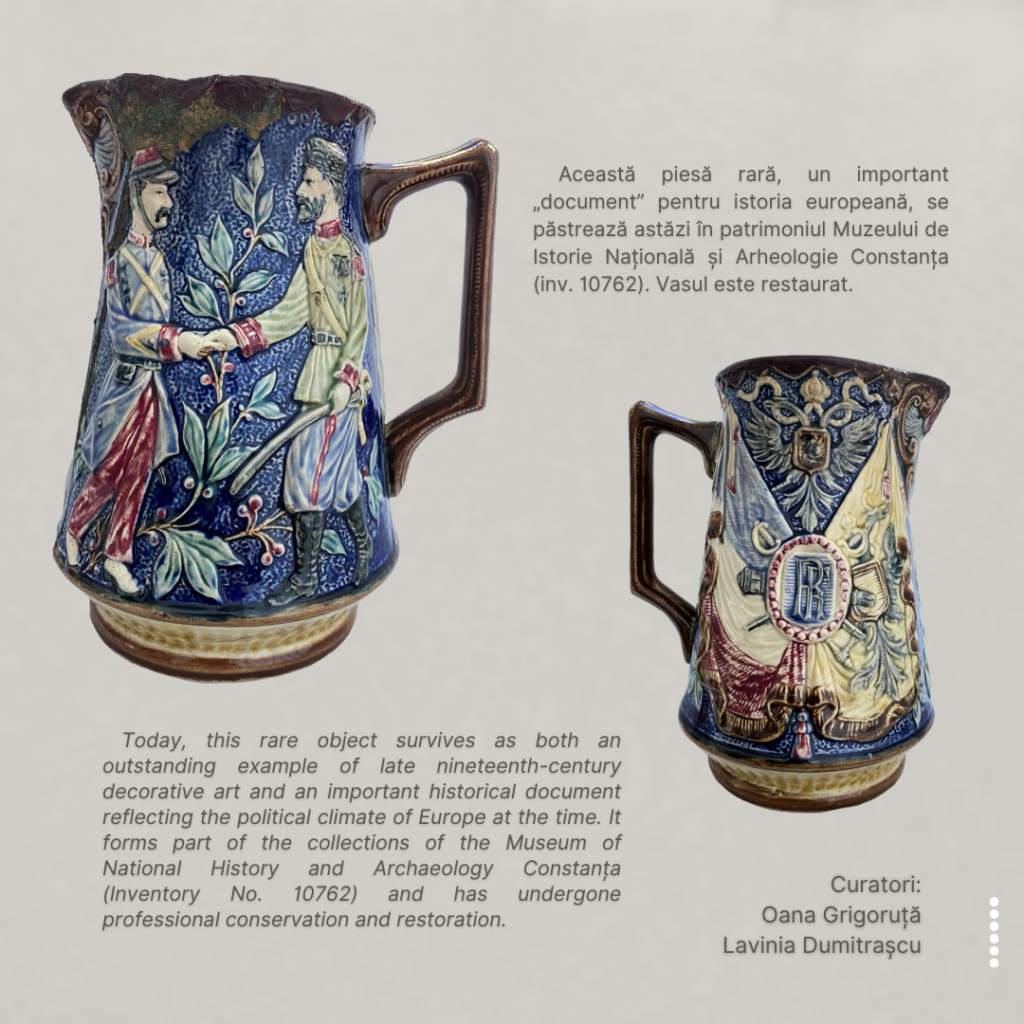
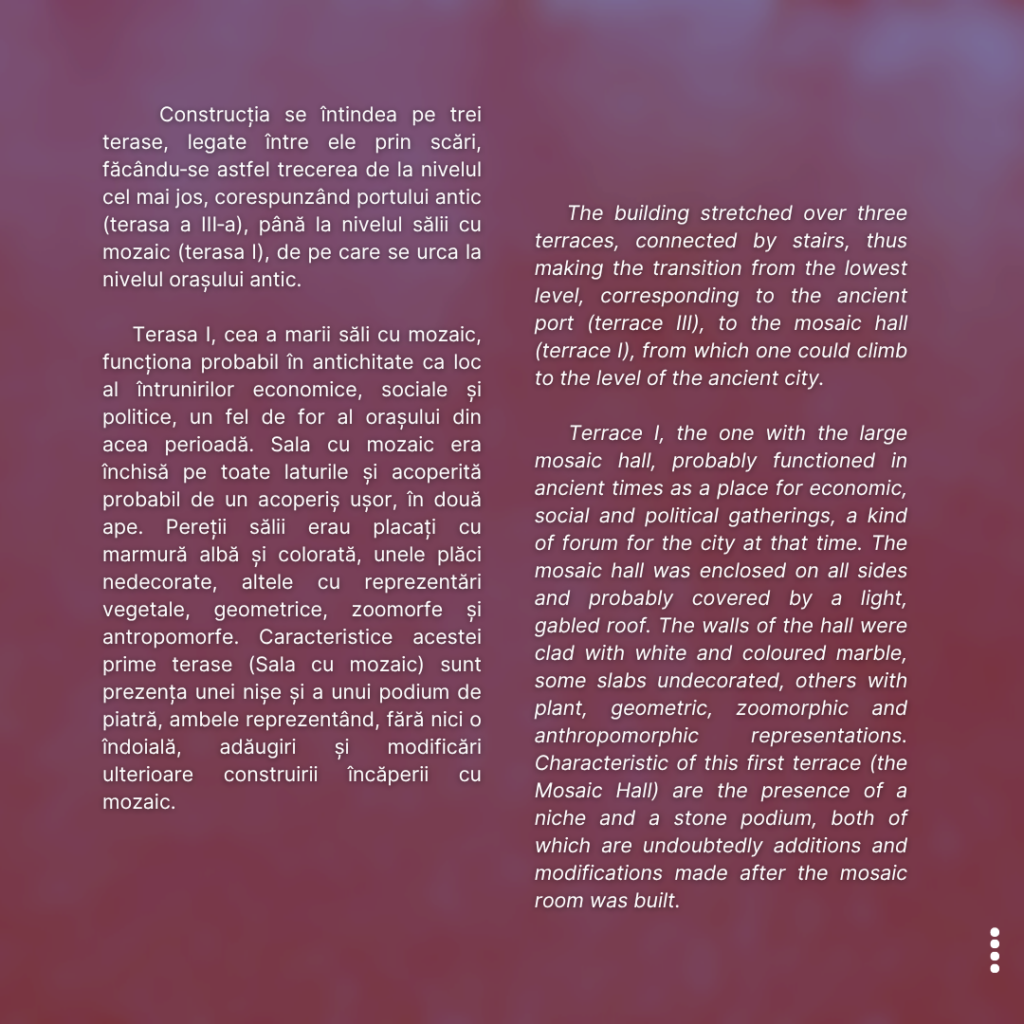
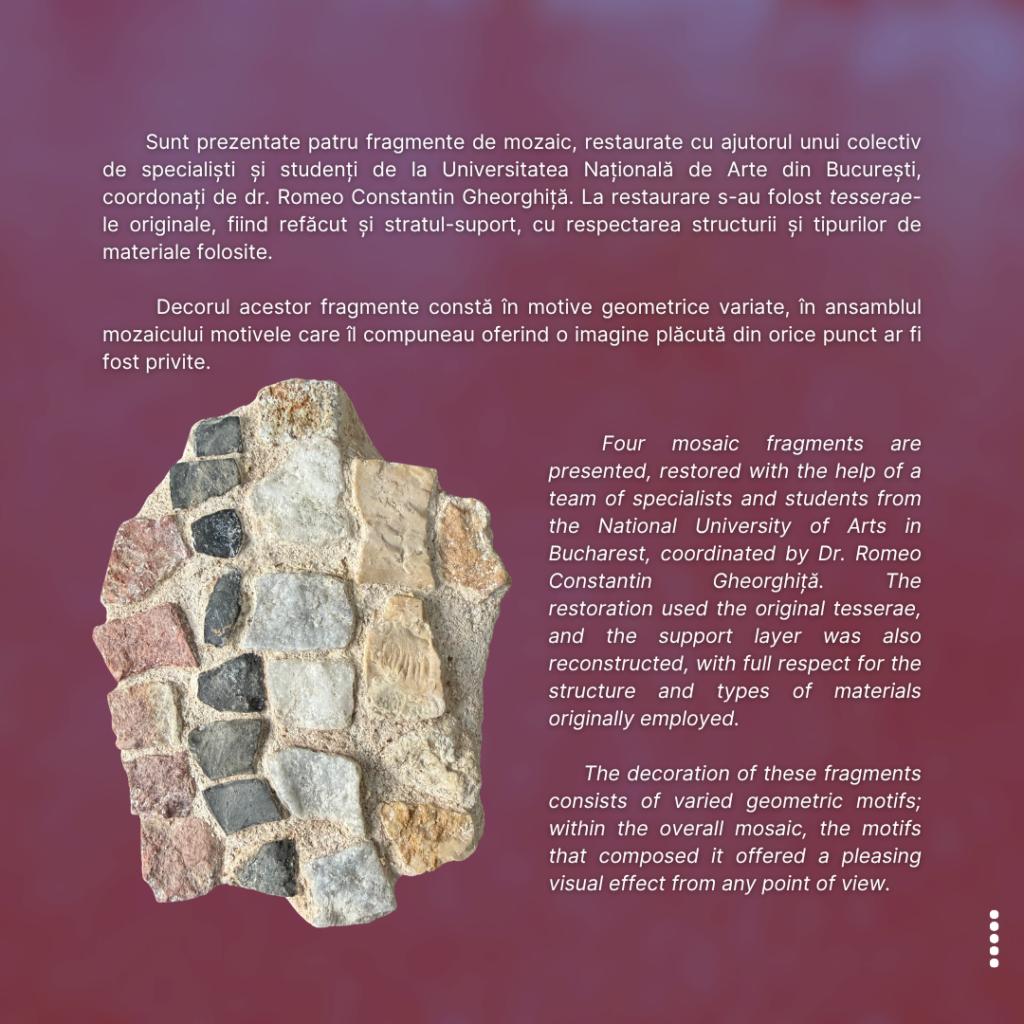
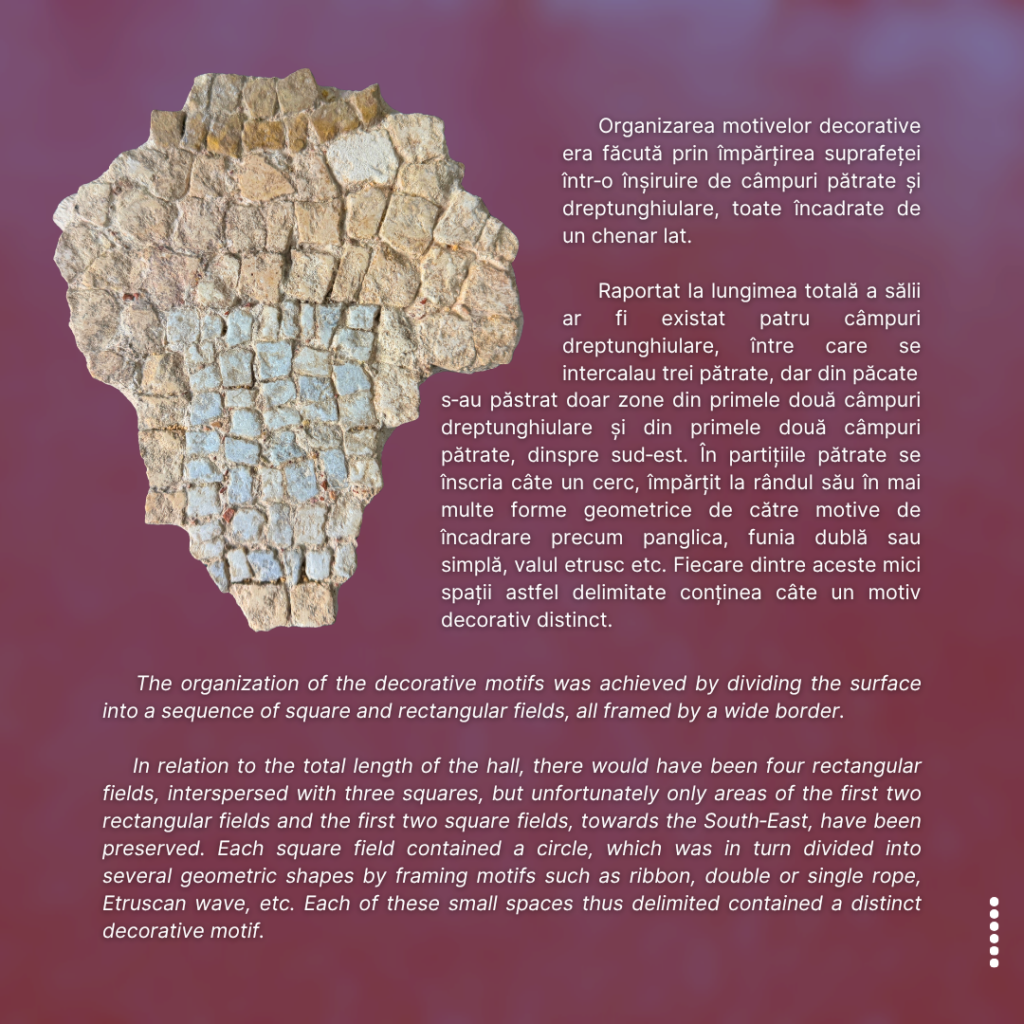
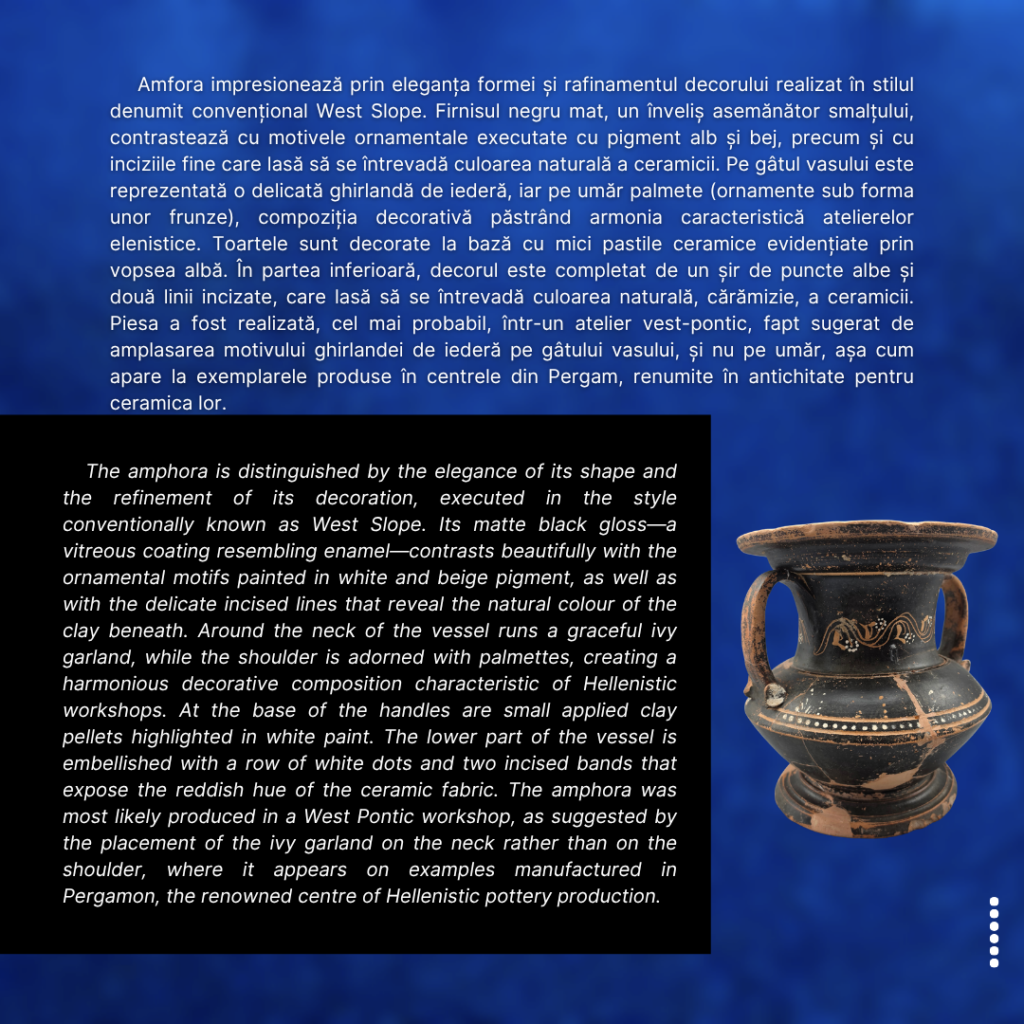
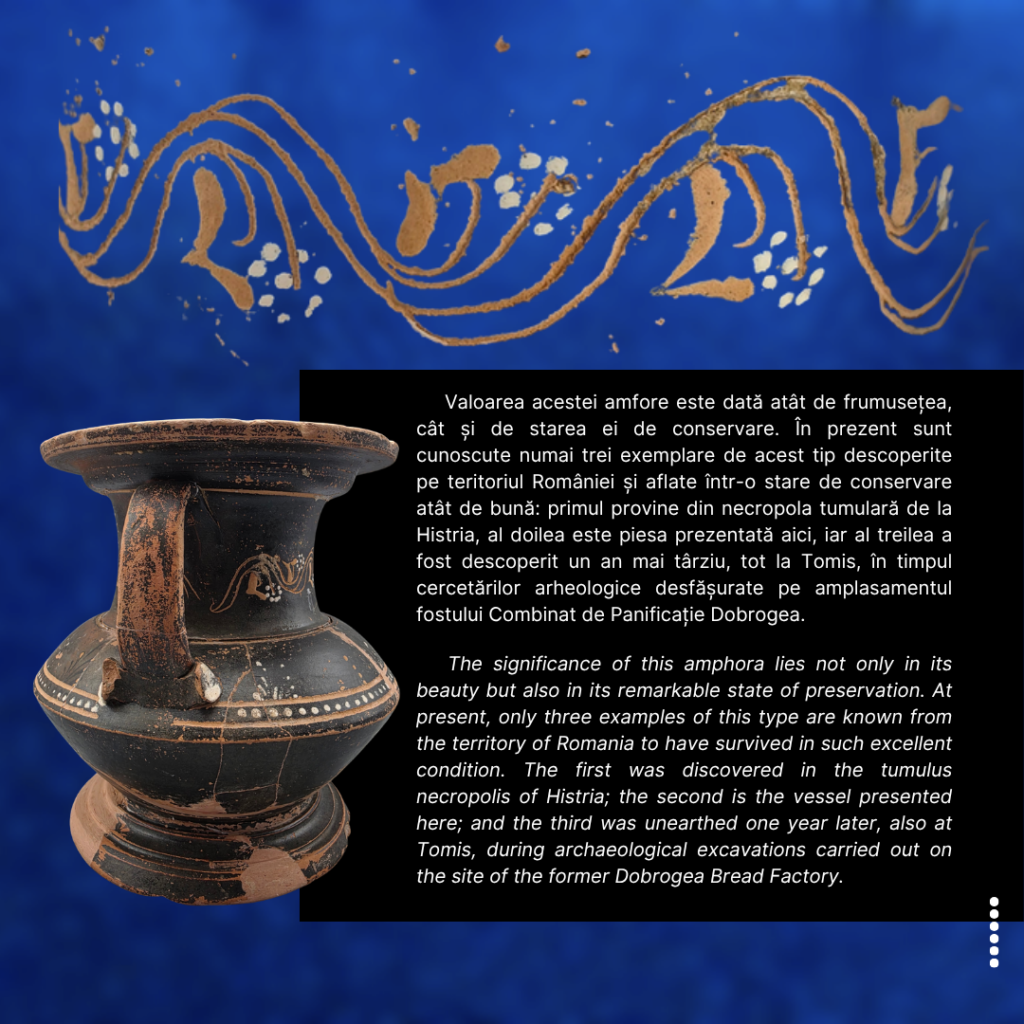
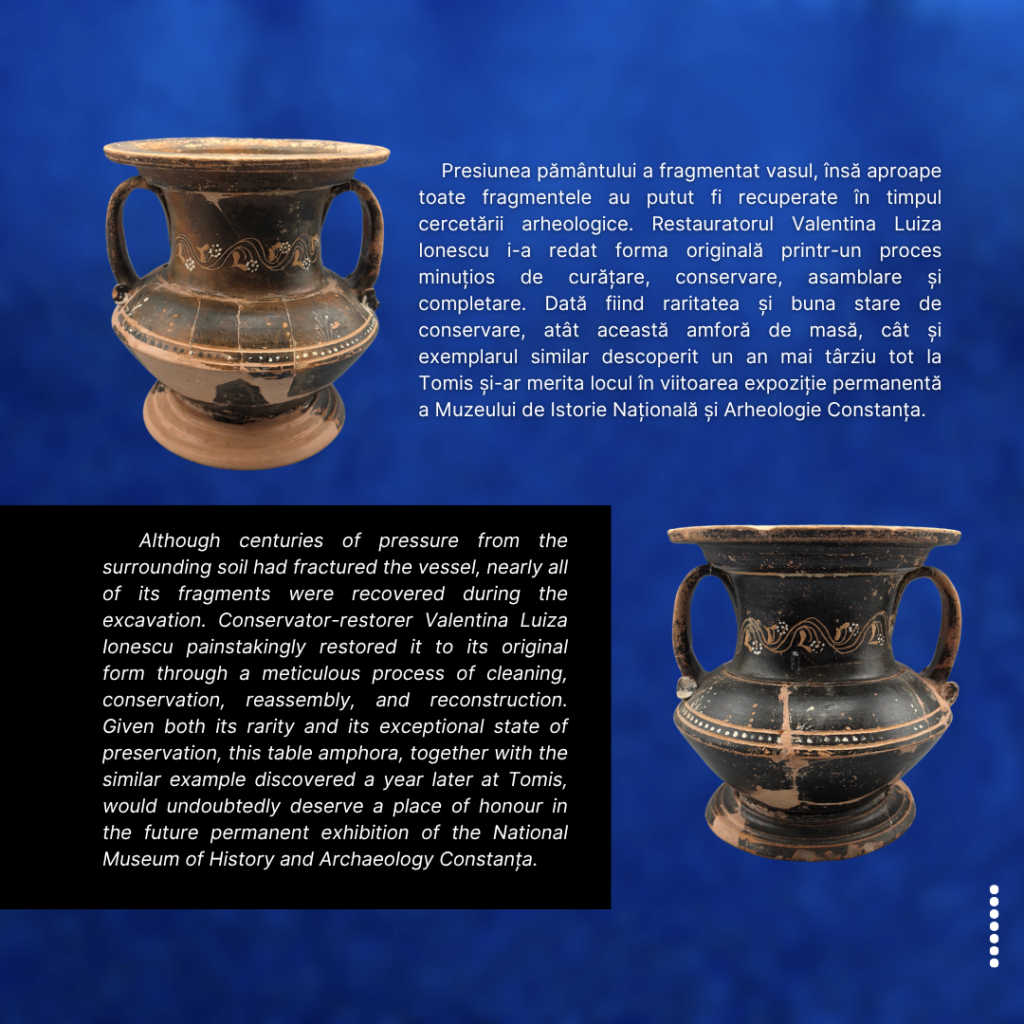
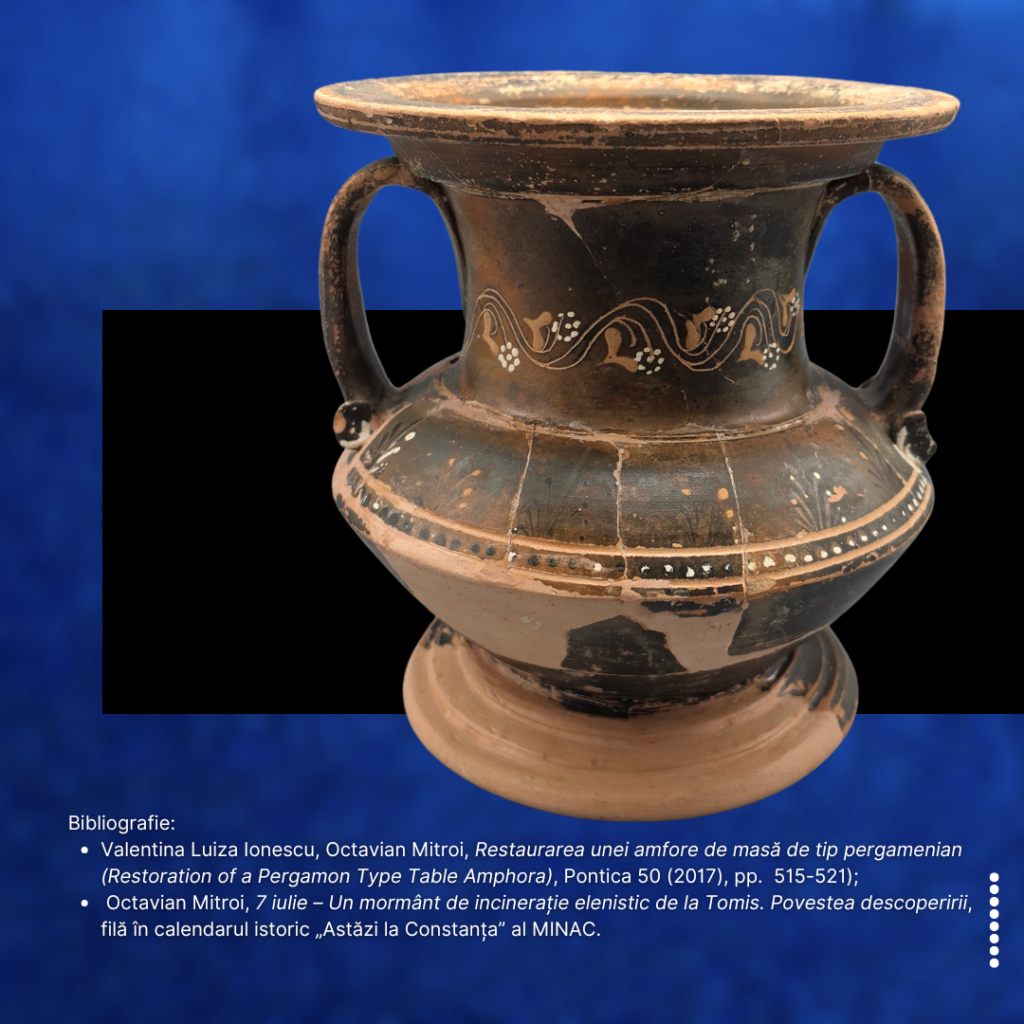
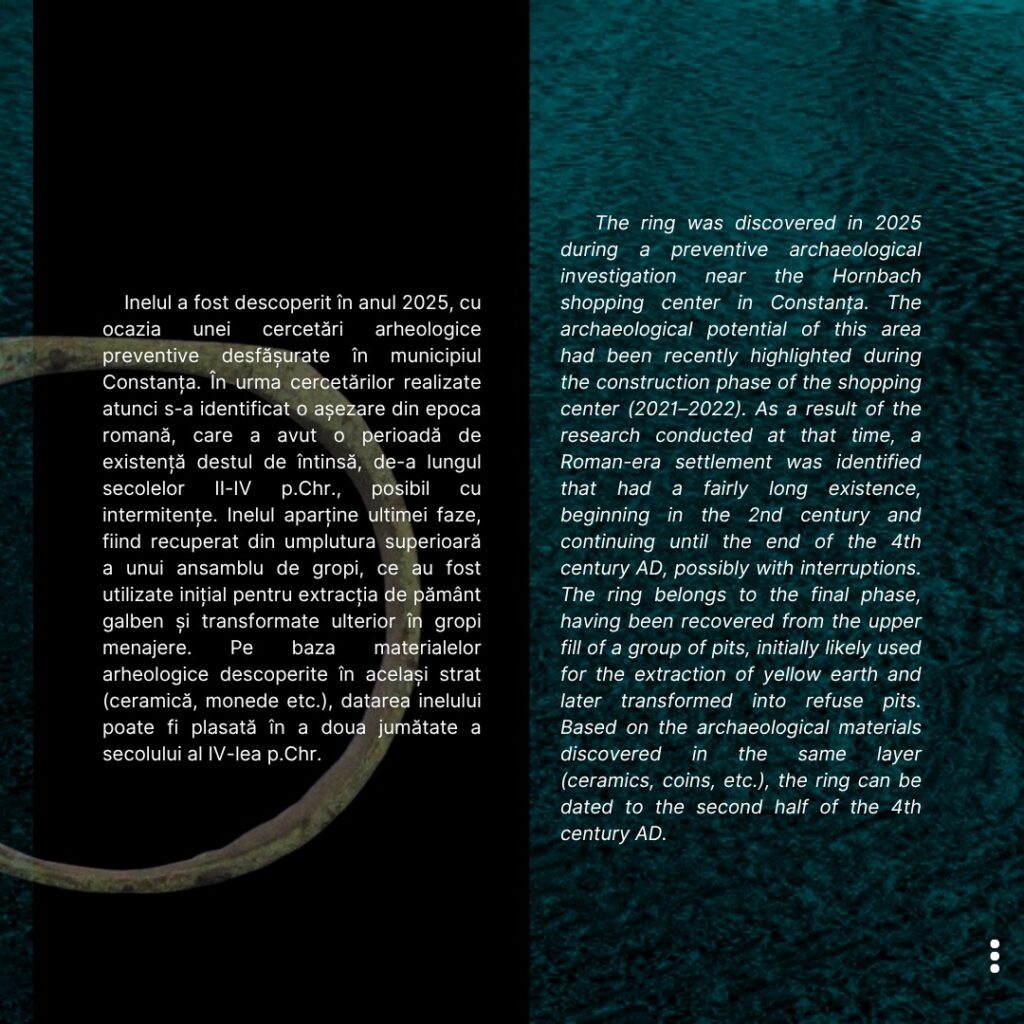
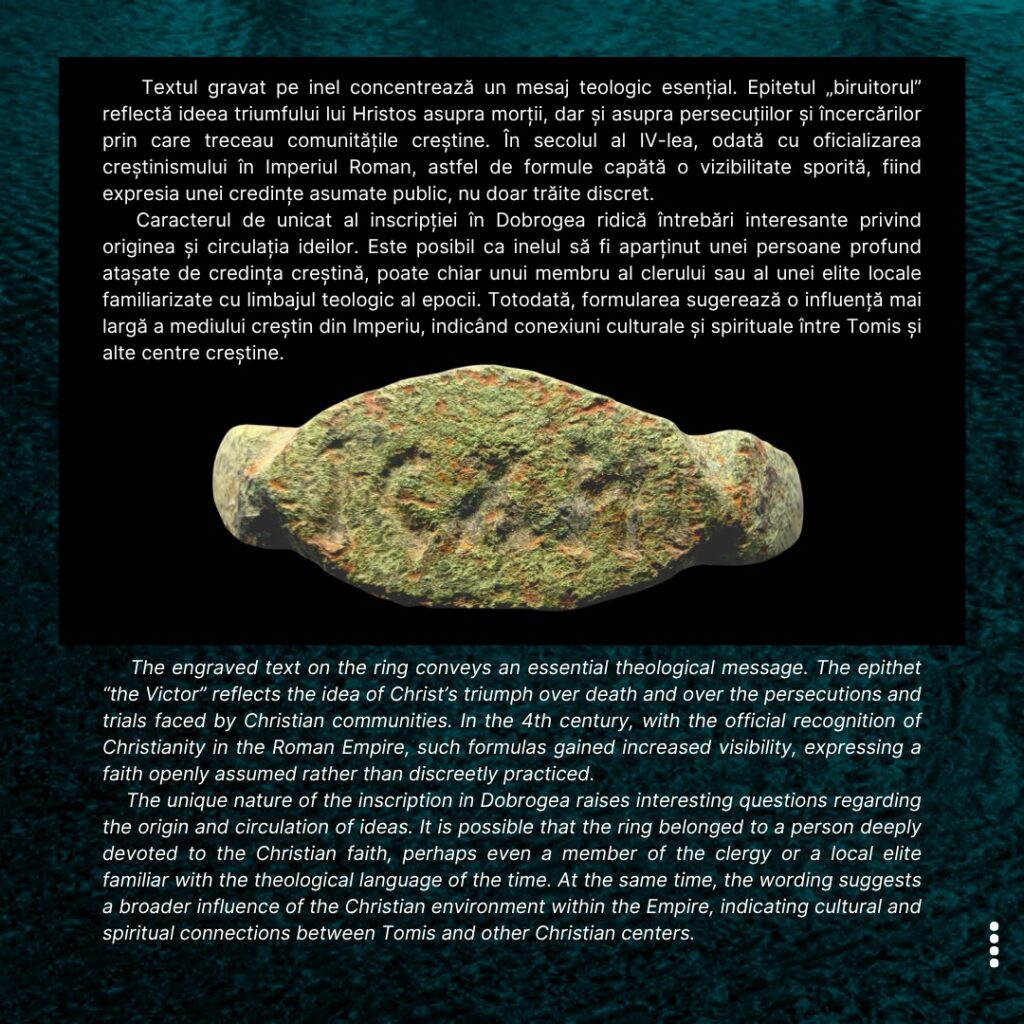
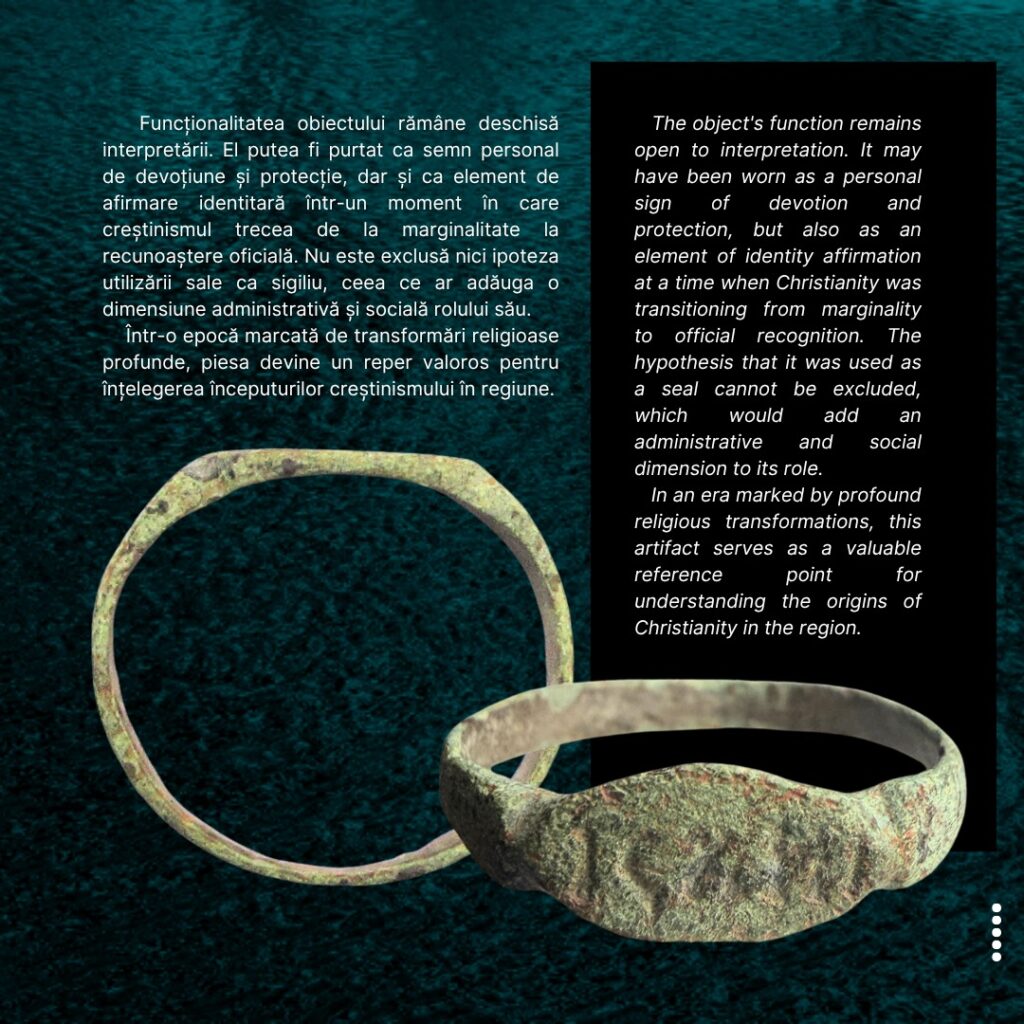
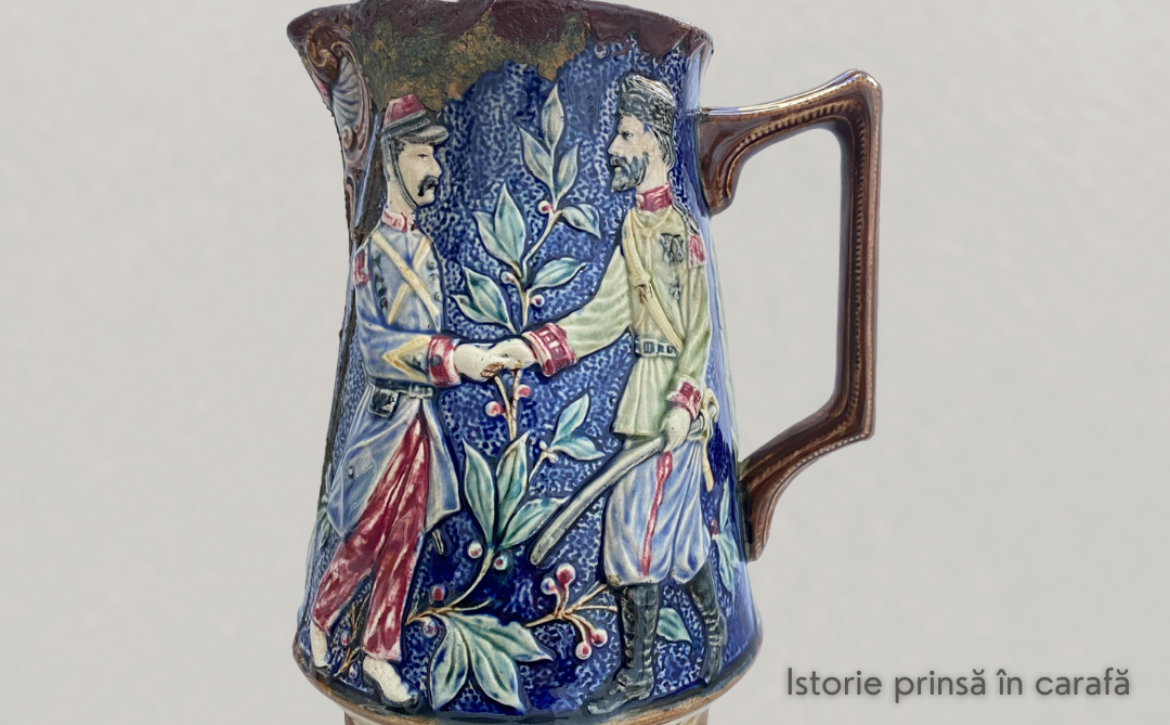
Produsă în 1894-1895, carafa, cu o înălțime de 24 cm, diametrul gurii de 11,7 cm și diametrul bazei de 12 cm, impresionează prin decorul său bogat, realizat în relief. Pe una dintre fețe sunt reprezentați un soldat francez și unul rus strângându-și mâinile, imagine ce simbolizează un moment istoric important, acela de pace și sprijin reciproc împotriva Imperiului German. Pe partea opusă sunt redate drapelele Franței și Rusiei, precum și un medalion ce poartă inițialele statelor, elemente care subliniază caracterul comemorativ și patriotic al piesei. Sunt prezente motive vegetale și simboluri militare.
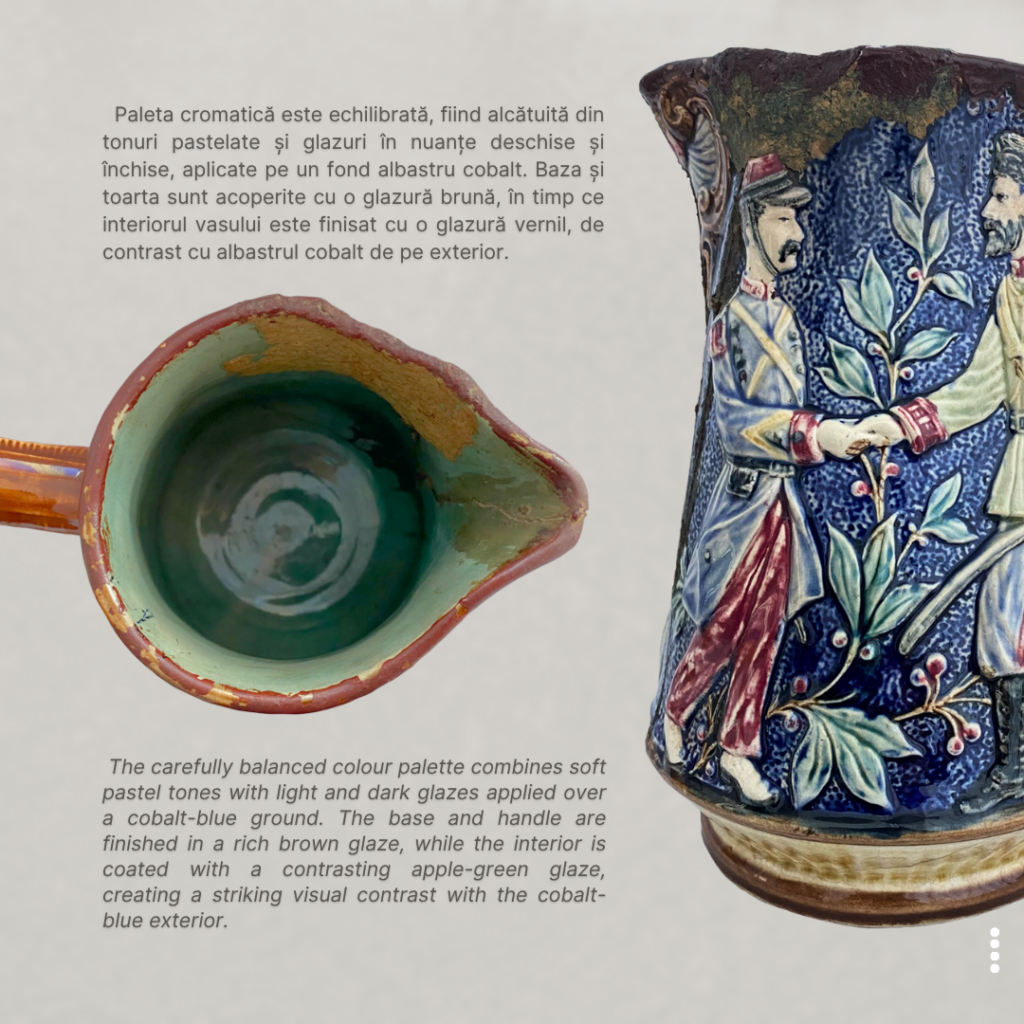
Paleta cromatică este echilibrată, fiind alcătuită din tonuri pastelate și glazuri în nuanțe deschise și închise, aplicate pe un fond albastru cobalt. Baza și toarta sunt acoperite cu o glazură brună, în timp ce interiorul vasului este finizat cu o glazură vernil, de contrast cu albastrul cobalt de pe exterior.
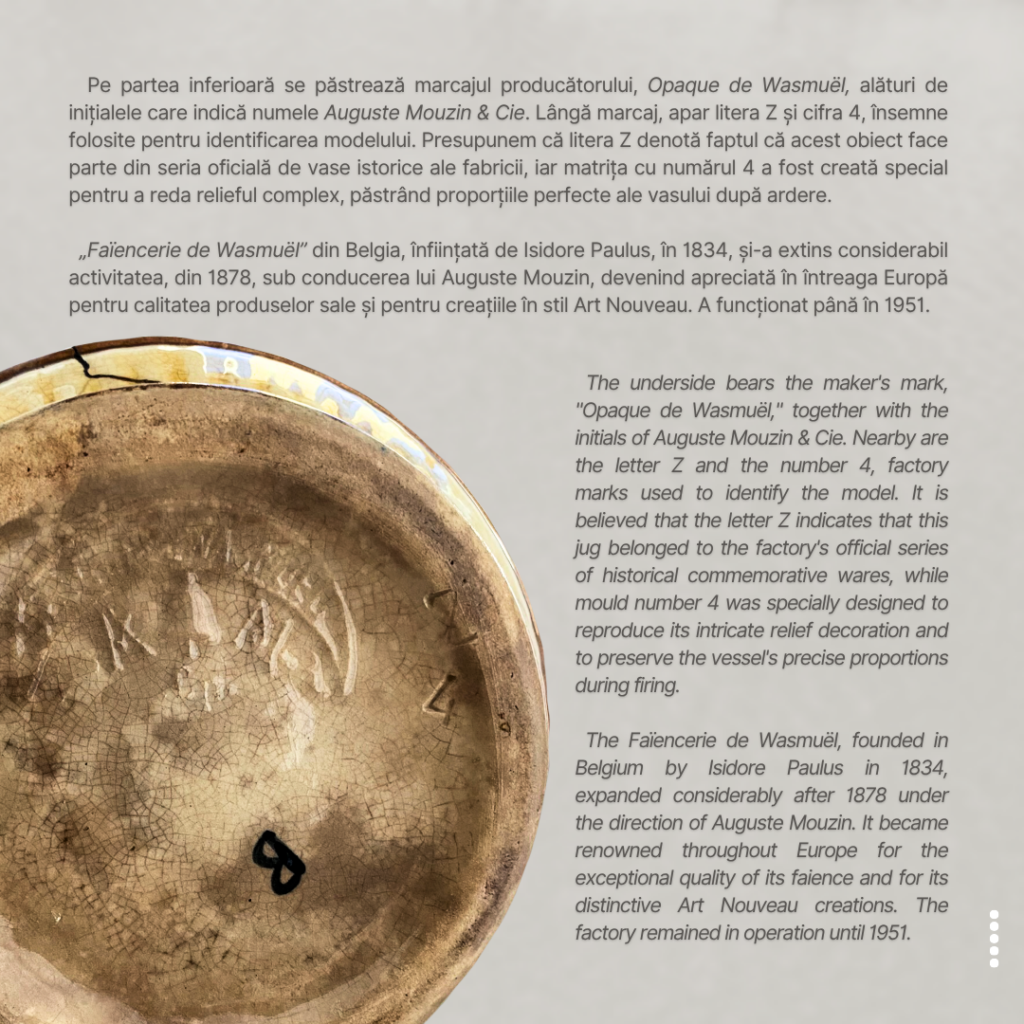
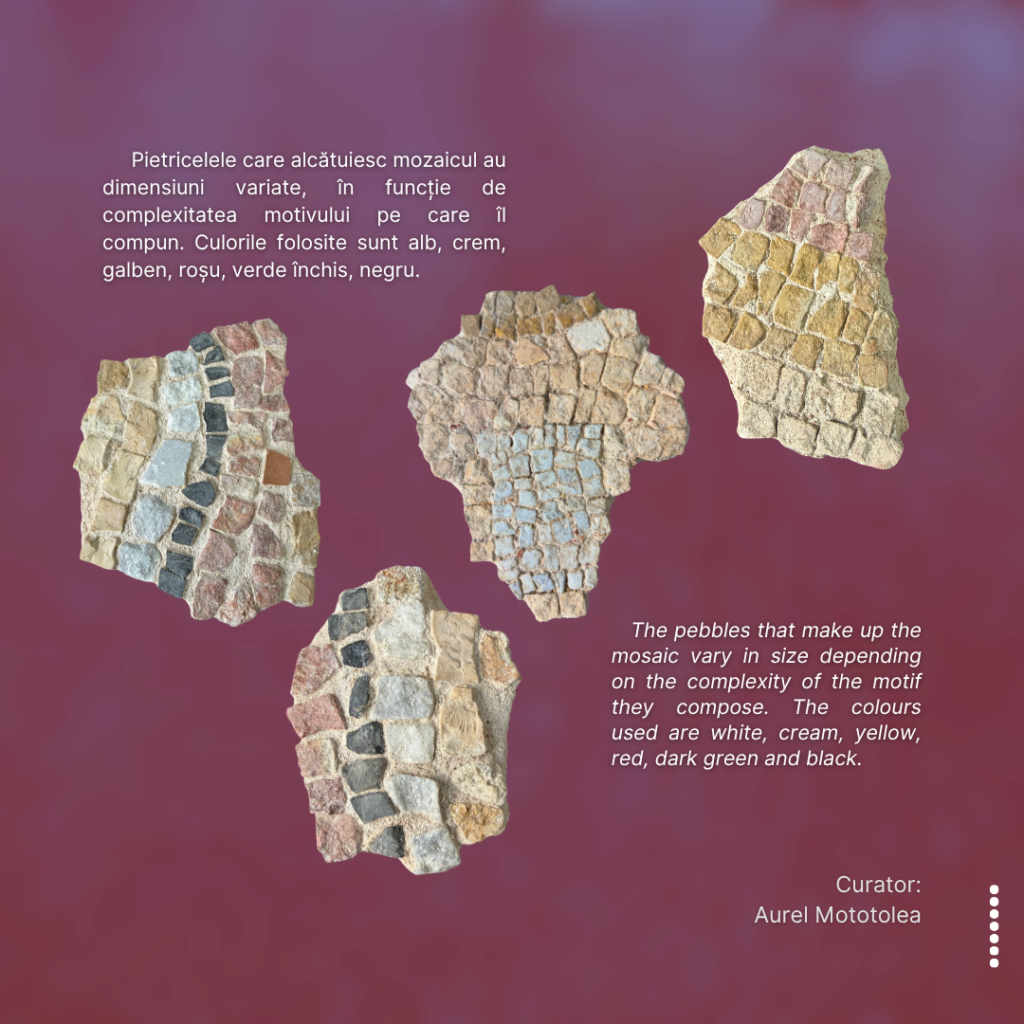
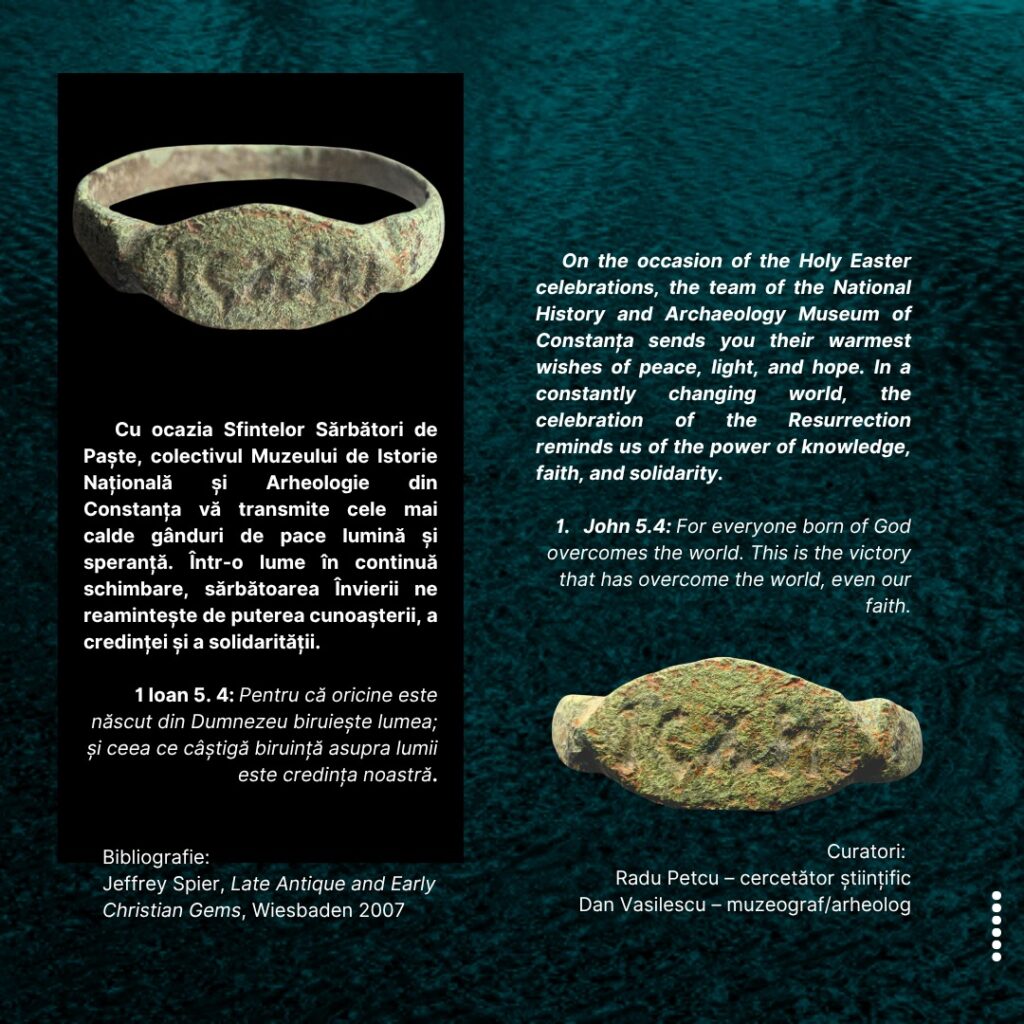
Pe partea inferioară se păstrează marcajul producătorului, Opaque de Wasmuël, alături de inițialele care indică numele Auguste Mouzin & Cie. Lângă marcaj, apar litera Z și cifra 4, însemne folosite pentru identificarea modelului. Presupunem că litera Z denotă faptul că acest obiect face parte din seria oficială de vase istorice ale fabricii, iar matrița cu numărul 4 a fost creată special pentru a reda relieful complex, păstrând proporțiile perfecte ale vasului după ardere.
„Faïencerie de Wasmuël” din Belgia, înființată de Isidore Paulus, în 1834, și-a extins considerabil activitatea, din 1878, sub conducerea lui Auguste Mouzin, devenind apreciată în întreaga Europă pentru calitatea produselor sale și pentru creațiile în stil Art Nouveau. A funcționat până în 1951.
Această piesă rară, un important „document” pentru istoria europeană, se păstrează astăzi în patrimoniul Muzeului de Istorie Națională și Arheologie Constanța (inv. 10762). Vasul este restaurat.
***
Exponatul lunii octombrie 2026 poate fi admirat în format fizic la sediul muzeului din strada Arhiepiscopiei nr. 7, municipiul Constanța, începând de joi, 8 octombrie 2026, timp de o lună.
Curatori
Oana Grigoruță
Lavinia Dumitrașcu
History Captured in a Jug
This is not just an ordinary jug of the kind that once graced dining tables at the close of the nineteenth century. Nor was it intended for serving wine.
Rather, it is a work of art imbued with symbolic meaning—a patriotic keepsake and a vehicle of political and military propaganda, produced as a limited edition to commemorate the Franco-Russian Alliance of 1894. Hand-painted in majolica, vessels of this kind were purchased as expressions of national pride and displayed prominently in bourgeois homes, where they served as visible declarations of public support for the alliance that brought an end to France’s diplomatic isolation in the face of the German Empire.
Produced between 1894 and 1895, the jug measures 24 cm in height, with a rim diameter of 11.7 cm and a base diameter of 12 cm. It is distinguished by its richly modelled relief decoration. One side depicts a French and a Russian soldier shaking hands, symbolising a defining moment in European history—an alliance based on peace and mutual support against the German Empire. The reverse features the national flags of France and Russia, together with a medallion bearing the initials of the two countries, reinforcing the commemorative and patriotic nature of the piece. The composition is further enriched with floral ornamentation and military emblems.
The carefully balanced colour palette combines soft pastel tones with light and dark glazes applied over a cobalt-blue ground. The base and handle are finished in a rich brown glaze, while the interior is coated with a contrasting apple-green glaze, creating a striking visual contrast with the cobalt-blue exterior.
The underside bears the maker’s mark, “Opaque de Wasmuël,” together with the initials of Auguste Mouzin & Cie. Nearby are the letter Z and the number 4, factory marks used to identify the model. It is believed that the letter Z indicates that this jug belonged to the factory’s official series of historical commemorative wares, while mould number 4 was specially designed to reproduce its intricate relief decoration and to preserve the vessel’s precise proportions during firing.
The Faïencerie de Wasmuël, founded in Belgium by Isidore Paulus in 1834, expanded considerably after 1878 under the direction of Auguste Mouzin. It became renowned throughout Europe for the exceptional quality of its faience and for its distinctive Art Nouveau creations. The factory remained in operation until 1951.
Today, this rare object survives as both an outstanding example of late nineteenth-century decorative art and an important historical document reflecting the political climate of Europe at the time. It forms part of the collections of the Museum of National History and Archaeology Constanța (Inventory No. 10762) and has undergone professional conservation and restoration.
Curators
Oana Grigoruță
Lavinia Dumitrașcu